
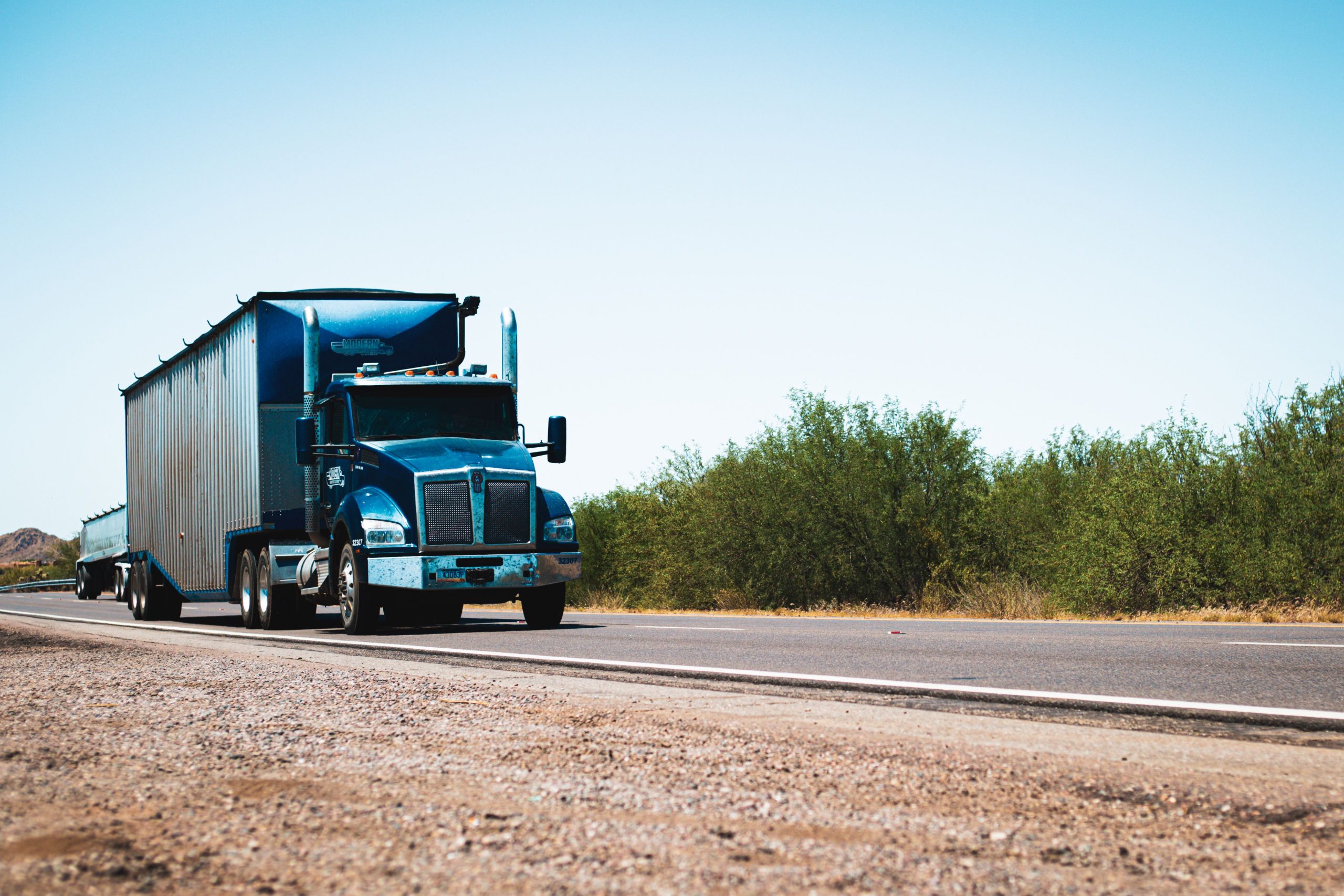
There is a particular silence after your truck quits 300 miles from home. The engine dies, the dash lights up, and for a few seconds you just sit there listening to the wind come off the interstate. What you do in the next ten minutes matters more than anything you do in the next ten hours.
Most breakdown advice is fine as far as it goes. Pull over, turn on your hazards, call somebody. The part that gets skipped is the part that keeps you alive, and the part that keeps a bad afternoon from becoming a citation or a claim. Here is the order I would actually work it, whether you are driving a pickup with a boat on the trailer or an 80,000-pound tractor-trailer.

Get the truck off the traveled lane, then get visible
Not as soon as it is convenient. Now. If the engine is still turning over and the steering works, use whatever momentum is left to roll onto the widest, straightest shoulder you can reach, or the next exit ramp. A ramp shoulder almost always beats a bridge shoulder.
The moment you stop, activate your hazard flashers. That is not a suggestion. The federal rule at 49 CFR 392.22 requires flashers immediately whenever a commercial vehicle is stopped on the traveled portion or shoulder of a highway, and they stay on until your warning devices are out. Then set the parking brake, keep your wheels straight, and take one breath before you touch the door handle.
Warning-device placement trips up drivers because it is not one distance, it is several. Under the same regulation, the devices go out within 10 minutes, at roughly 10 feet, 100 feet, and 100 feet, with the third one pointing back the other way on a two-way road. On a divided or one-way highway, the two rear devices move out to 100 and 200 feet. If you are within 500 feet of a curve, a hill crest, or anything else that hides you, one device goes 100 to 500 feet back toward the obstruction.
Before you step out, put on a high-visibility vest. Stand on the side away from traffic, and never between the tractor and the trailer. The vest is the cheapest insurance you own.
Stay in the cab with your seatbelt on unless there is fire, smoke, or a fuel leak. If any of those three are present, get well clear of the truck and call 911 from a distance.
Now work the phones: 911, dispatch, or roadside?
The order depends on whether people are in danger right now. A smoking engine block and a truck that swallowed a steer tire are the same mechanical problem and two totally different calls.
| Situation when you stop | Call first | Why |
|---|---|---|
| Fire, smoke, fuel or hazmat leak, injury, or you are blocking a live lane | 911 | Life-safety events, not repair calls. A blocked lane becomes a secondary crash scene fast. |
| No immediate danger, but the truck cannot move and no one is en route | Heavy-duty tow or roadside provider | A tow relocates the problem to a shop with a bay, parts, and lights instead of a shoulder. |
| A minor, known issue (dead battery, flat, out of fuel) on a wide, safe shoulder | Mobile mechanic or fuel service | Most of these are fixed in place, usually faster and cheaper than a tow. |
| You drive for a carrier or are under a broker’s load | Dispatch or safety, before anyone else | They authorize the vendor, protect the load, and often have a preferred shop. |
The 911 triggers follow FMCSA roadside guidance; the warning-device timing and placement above come from 49 CFR 392.22 (checked September 2026).
The 911 triggers follow FMCSA roadside guidance; the warning-device timing and placement above come from 49 CFR 392.22 (checked September 2026).

For anything that is not an emergency, the person you call first is usually whoever controls the repair money. If you drive for a carrier, that is dispatch. If you are an owner-operator or a private truck owner far from your own shop, that is you, and the call is to a service provider you may have never heard of.
Whoever answers, the call goes faster if you have five things ready: exact location with mile marker and direction; tractor and trailer unit numbers, or your plate; the symptom in plain words (“no crank,” “air loss,” “steer tire blowout”); what the load is and whether it is temperature-controlled; and a callback number that will stay reachable. A GPS pin from your phone is worth more than a street name out in the country.
Finding a shop that will actually roll a truck to you is its own problem when you are nowhere near your usual contacts. A directory that lists vetted truck repair and roadside assistance providers by location can turn an hour of phone tag into a few minutes, which is exactly what you want when you are standing on a shoulder at 2 a.m. in weather.
The shoulder is the most dangerous place most drivers ever park
Here is the number that changed how I think about waiting it out. The AAA Foundation’s 2024 analysis of roadside assistance provider fatalities identified 123 tow and service workers killed while working at the roadside between 2015 and 2021. About 85 percent of those deaths happened on high-speed, limited-access highways, and in roughly 60 percent of the incidents the striking vehicle left the roadway and hit the person on the shoulder or roadside. The person did nothing wrong. The shoulder simply offered no protection from a driver who fell asleep, looked at a phone, or ran off the pavement.
The same risk applies to you standing behind your own truck. Safety researchers and the Insurance Institute for Highway Safety estimate that at least several hundred people a year die in crashes linked to someone leaving, working on, or returning to a stopped vehicle. Night makes it worse. So does a narrow shoulder, a blind curve, and any time you crouch down behind the box where oncoming traffic cannot see you at all.
All 50 states also have Move Over or Slow Down laws, and they are getting broader. A 2024 Government Accountability Office review found 21 states cover disabled vehicles specifically, and NHTSA counts 19 states plus Washington, DC that apply the rule to any vehicle sitting with hazard lights or warning lights on. That helps you a little. It does not make the shoulder safe. I treat it as the last resort, never as a repair bay.
The hours-of-service myth that could hand you a violation
You will hear, from drivers and from plenty of blogs, that a breakdown lets you drive two extra hours to reach safety. I would not build a plan on that reading, because the rule does not say what people think it says.
The two-hour extension lives in the adverse driving conditions exception in 49 CFR 395.1, and adverse conditions are defined there as snow, ice, sleet, fog, and unusual road or traffic conditions. A failed water pump is not weather. FMCSA’s own published guidance is blunter still: the emergency exception is not meant to cover mechanical failures, any more than it covers a driver wanting to get home or a shipper demanding an earlier delivery.
What is genuinely true is less exciting and more useful. While you wait for repair, you are on-duty not driving, and that time counts against your 14-hour window and your 60- or 70-hour total. If the fix runs long, you may need a full 10-hour reset before you turn a wheel. Annotate the breakdown on your ELD with the time, location, and what happened, so the gap in your log has a documented explanation.
My read: the smart move is to assume the clock keeps running, then be pleasantly surprised if a shop gets you moving inside it. Planning around a loophole that probably will not hold up is how a mechanical breakdown becomes a compliance problem on top of a repair bill.
Far from home changes the math
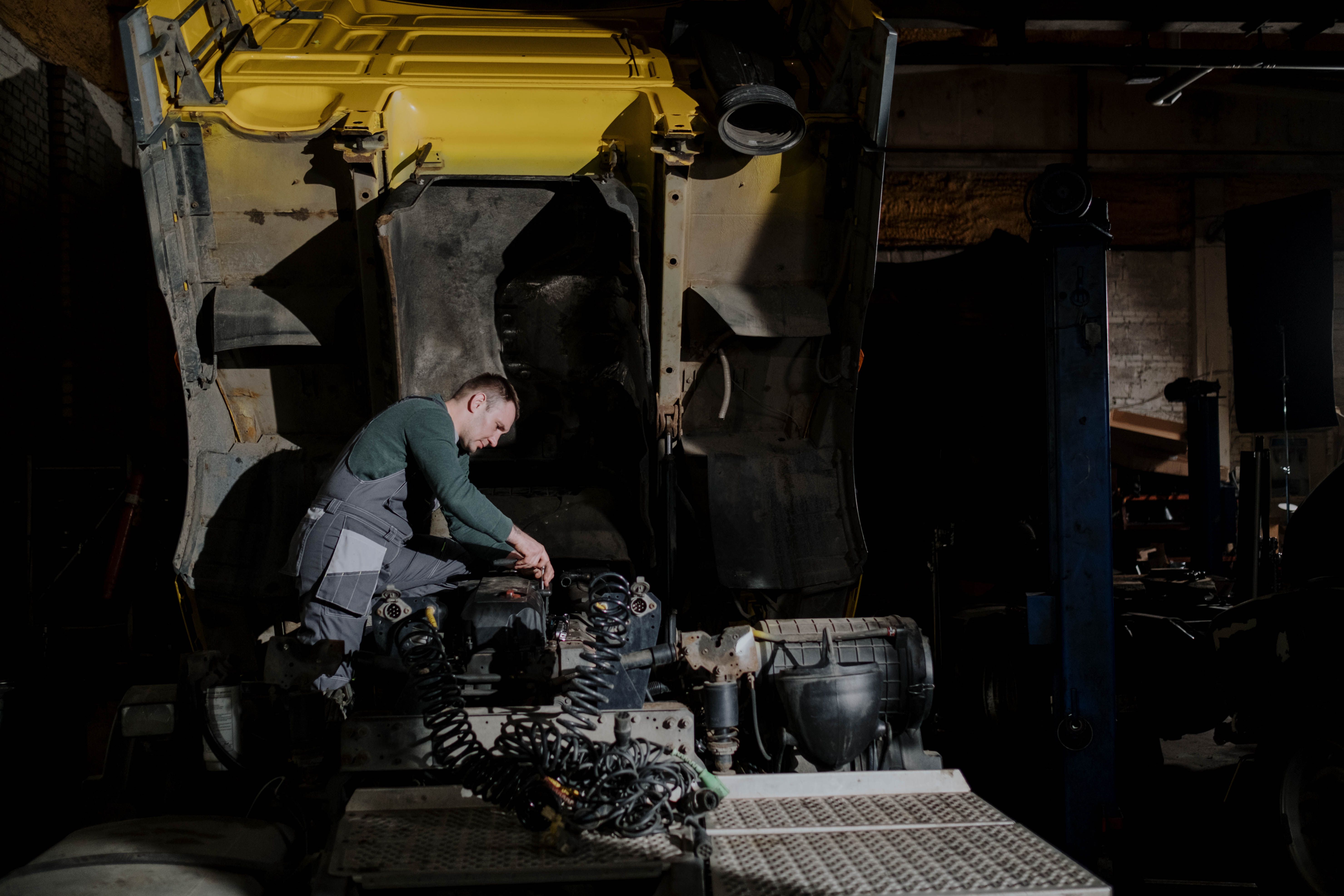
A breakdown at the end of your street is an inconvenience. The same breakdown in a state where you know no one is a logistics problem, and a financial one. Repair and maintenance costs have climbed faster than most other trucking line items in recent years, and the emergency variety carries a premium on top of that. Meanwhile the truck is earning nothing, and its fixed cost keeps ticking: ATRI’s operational cost research put the average cost of running a truck at $2.260 per mile in 2024, and its 2026 update reported that the average distance between breakdowns fell to 36,891 miles, down about 3.6 percent from the year before. Fewer miles between failures means more roadside calls across the fleet, and a thinner cushion when it is your turn.
So before the tow hooks up, decide three things:
- Where it gets fixed. A mobile tech on the shoulder handles batteries, tires, fuel, air leaks, and small electrical faults. Anything needing a bay, a lift, or parts on order means a tow, and you should confirm out loud who chooses the destination shop before the driver pulls away.
- How you get home, or whether you do. A same-day fix is one plan; a two-day parts wait is another. If the repair runs overnight, a hotel and a shower beat a night in a sleeper in a strange town, and most policies reimburse approved lodging.
- What paperwork you keep. Photograph the truck’s position, the dash, any damage or leak, and the units and plates. Save every tow bill, parts receipt, and work-order number. Documentation is what gets you paid back and settles billing disputes later.
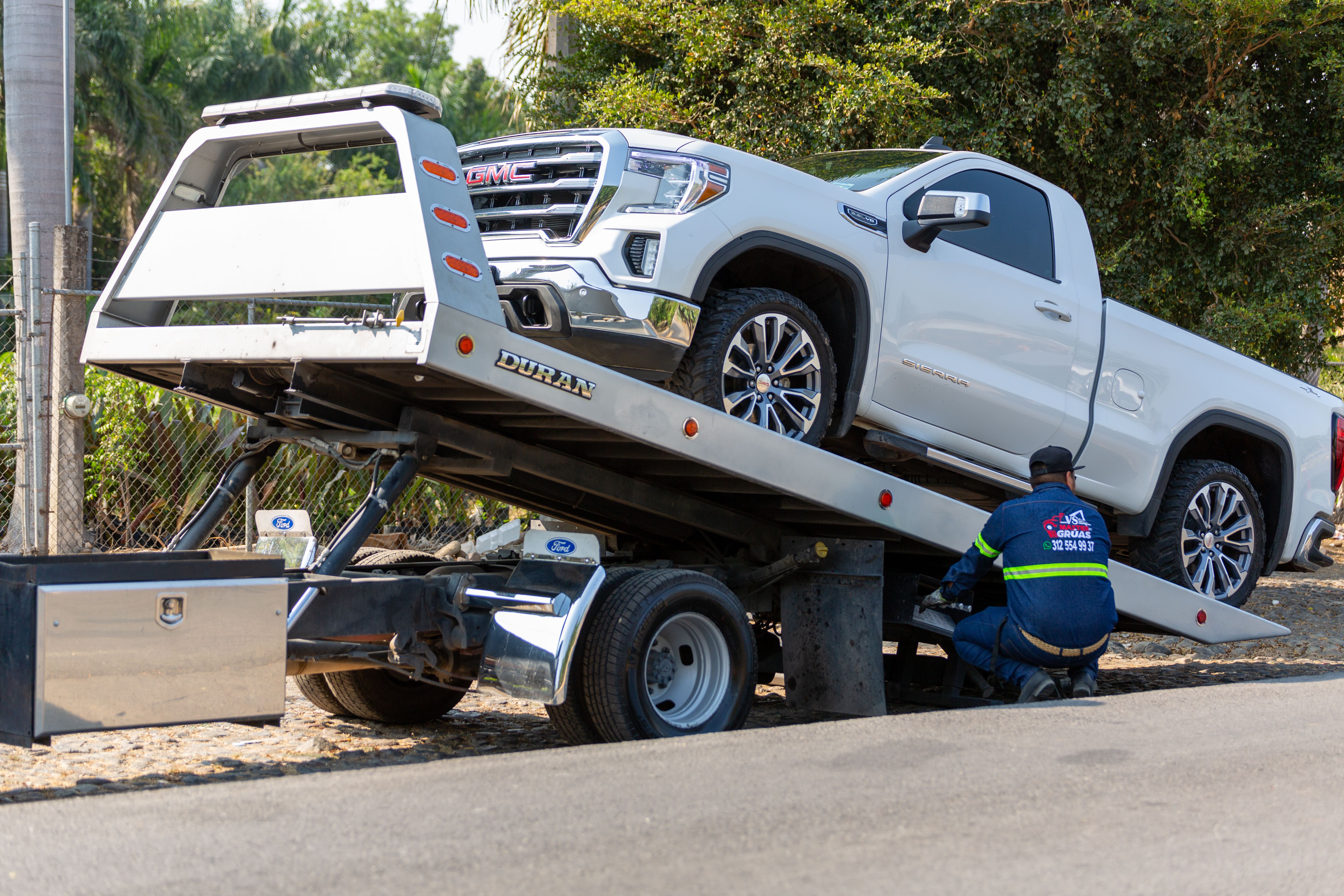
One caution on the tow itself: ask for an itemized estimate before dispatch, confirm where the mileage clock starts, and find out whether after-hours or storage fees apply. The dispatch fee, the labor rate, the mileage, and any equipment charges are separate line items, and they can add up fast when you are the one paying.
Where to wait, and how to wait well
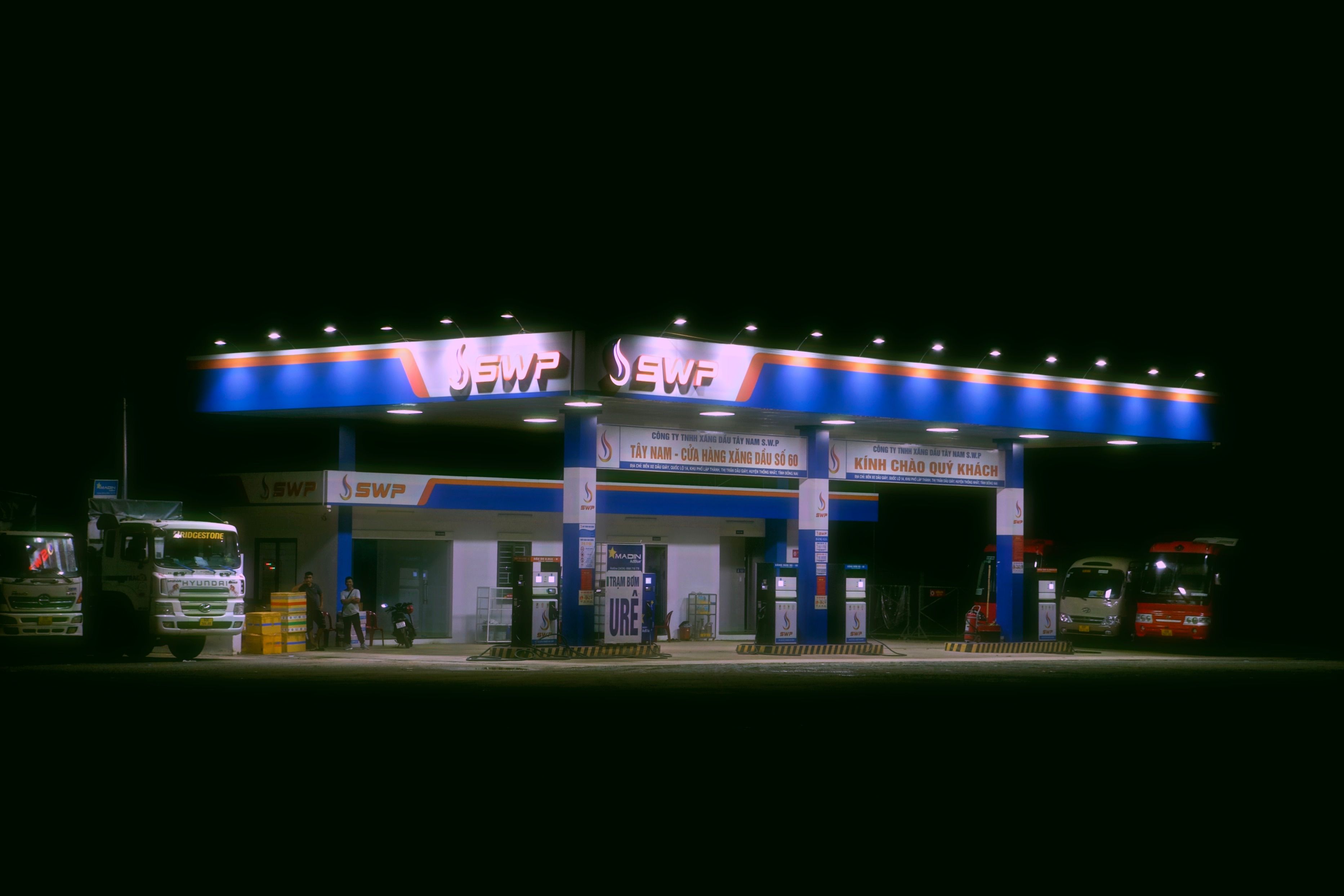
If the shoulder is dangerous and the truck will sit for hours, getting yourself to a lit, populated place is often the right call, especially after dark and especially after a rainstorm. A truck stop, a 24-hour service station, or a motel lobby where staff can see you is a better wait than a dark cab on a blind stretch. Lock the truck, take your phone, charger, keys, and wallet, and tell dispatch and a family member exactly where you are going.
Do not walk off down the highway looking for help. On a remote stretch in bad weather, the truck is easier for rescuers to find than you are, and the distance to the next exit is almost always longer than it looks. If your emergency kit includes a satellite messenger or you still carry a CB, this is the moment they earn their space in the cab.
What not to do
- Do not stand between the tractor and the trailer, or anywhere on the traffic side. It is the single most common way roadside workers die.
- Do not crawl under a truck on a live-lane shoulder, and do not open an air system to hunt a leak there. That work belongs in a bay.
- Do not “test drive” a sick truck to see if the fault clears. You can turn a repair into a rebuild, or into a crash.
- Do not leave the scene before the police, the tow operator, or a dispatcher tells you it is fine, and do not let anyone open your trailer without authorization.
- Do not discuss your exact breakdown location with strangers who happen to stop. Be polite, stay in the cab with the window barely down, and say help is already on the way.
Questions drivers ask at the roadside
Can I just fix it myself on the shoulder?
Only the simple, safe things: add coolant, swap a fuse, air up a tire, jump a battery, add fuel. Anything that involves going under the truck, working on air brakes, or a job you have never done before waits for a technician.
How long can I legally leave a broken-down truck on the shoulder?
There is no single federal time limit, and practice varies by state. Interstates and highways treat shoulders as emergency space, not parking, so an extended stay can draw a ticket or an involuntary tow. If the repair will take more than a few hours, plan a tow to a shop or a safe lot.
Does a breakdown extend my hours of service?
Not as a mechanical failure. FMCSA’s adverse driving conditions exception covers weather and road or traffic conditions, and the agency’s guidance says the emergency exception does not include mechanical failures. Waiting time is on-duty not driving and counts against your 14-hour window.
What if I break down with no cell signal?
Stay with the truck, deploy your warning devices, and use a CB radio, satellite messenger, or emergency beacon if you carry one. Use highway markers and landmarks to describe your location when you do get a signal, and do not walk for help in extreme heat, cold, or darkness.
Should I stay with the truck the whole time?
Yes, unless there is fire, a fuel or hazmat leak, or the area feels unsafe. The truck is your best shelter, it is what rescuers are looking for, and it protects your cargo. Get yourself to a safe, lit place only when staying puts you in more danger than leaving.
What information speeds up the repair?
The five essentials: exact location with direction and mile marker, unit and trailer numbers or plates, the symptom in plain language, the load type and temperature requirements, and a phone number that will stay reachable. Add photos of the dash and any visible damage.