

The truck starts normally when the technician turns the key. The driver, however, reported a slow crank before leaving the depot that morning and remembers the same thing happening earlier in the week. An inspection may still uncover the cause, but the workshop is now investigating a symptom it cannot immediately reproduce.
Intermittent problems create this gap between what happens on the road and what can be observed during service. Driver reports preserve the experience; vehicle and equipment data can preserve some of the conditions surrounding it. Bringing those sources together gives technicians a more useful starting point and helps equipment manufacturers develop monitoring products that support real diagnostic work.
Capture the circumstances while they are still clear
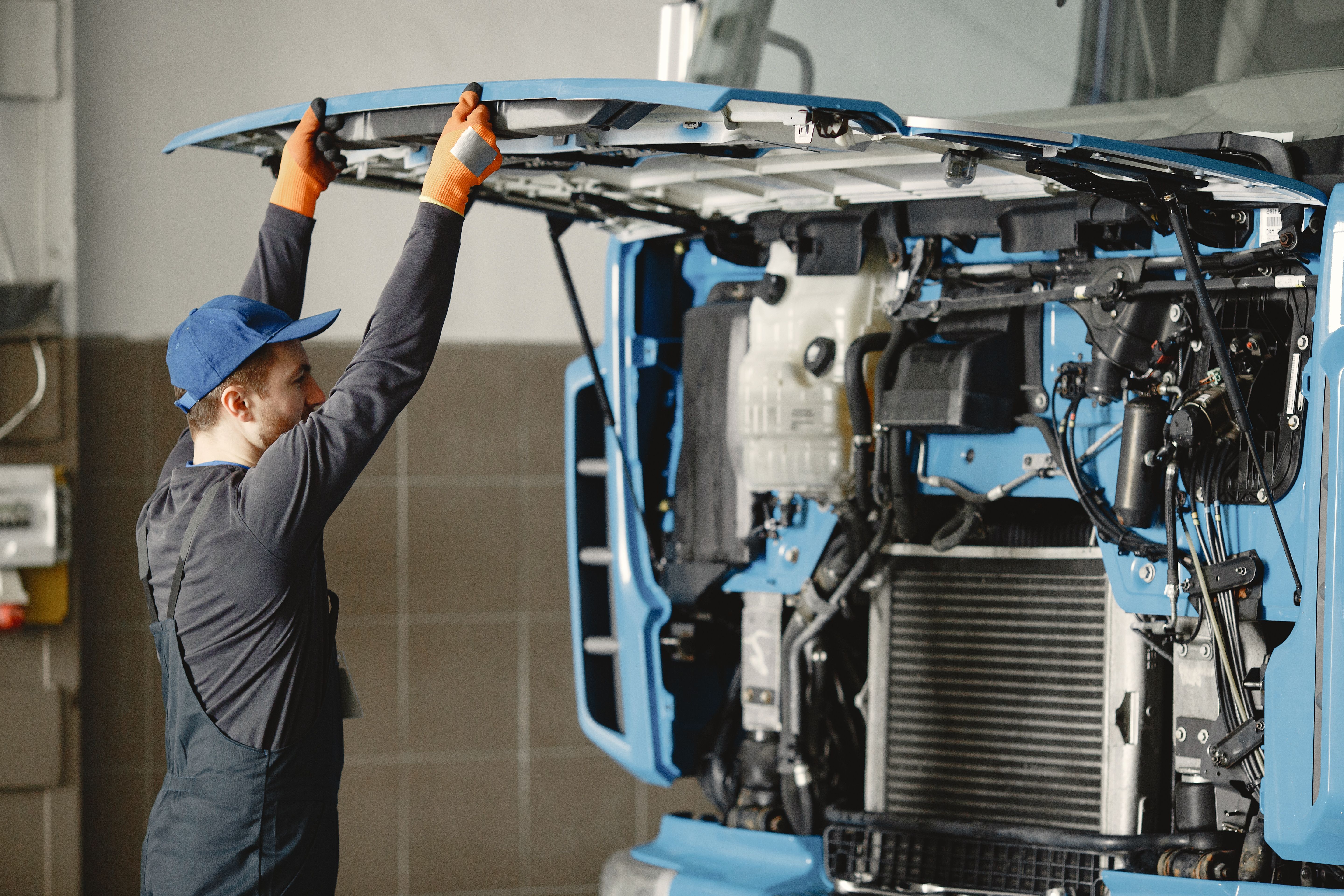
“Hard to start” identifies a concern, but leaves several questions unanswered. Had the truck been parked overnight? Was the engine cold? Were auxiliary systems operating before the attempt? Did the symptom occur once or across several starts? Those details help the technician decide which conditions to examine and which tests may be relevant.
Reporting should make those details easy to capture without asking the driver to diagnose the fault. A short description, approximate time, asset identifier, and relevant operating conditions are more useful than a form filled with speculative component choices. Where appropriate, a photograph or recording can preserve something difficult to describe. Urgent safety concerns still require immediate escalation through the fleet’s established procedures.
Match the report to the right equipment history
A timestamp becomes valuable when the workshop can use it to locate related readings. In the starting example, an appropriately equipped monitoring product might retain electrical measurements around the event. The technician can compare those with the driver’s account, previous occurrences, and the vehicle’s service history. The information helps frame an investigation without establishing the cause by itself.
The association needs to survive ordinary fleet activity. A monitoring unit may be replaced, a component exchanged, or a truck reassigned to another depot. If the application attaches readings to the wrong asset or loses the service history after a hardware change, the diagnostic picture becomes unreliable. Manufacturers should treat asset identification and event timing as essential parts of the service experience.
Design connected products around diagnostic questions
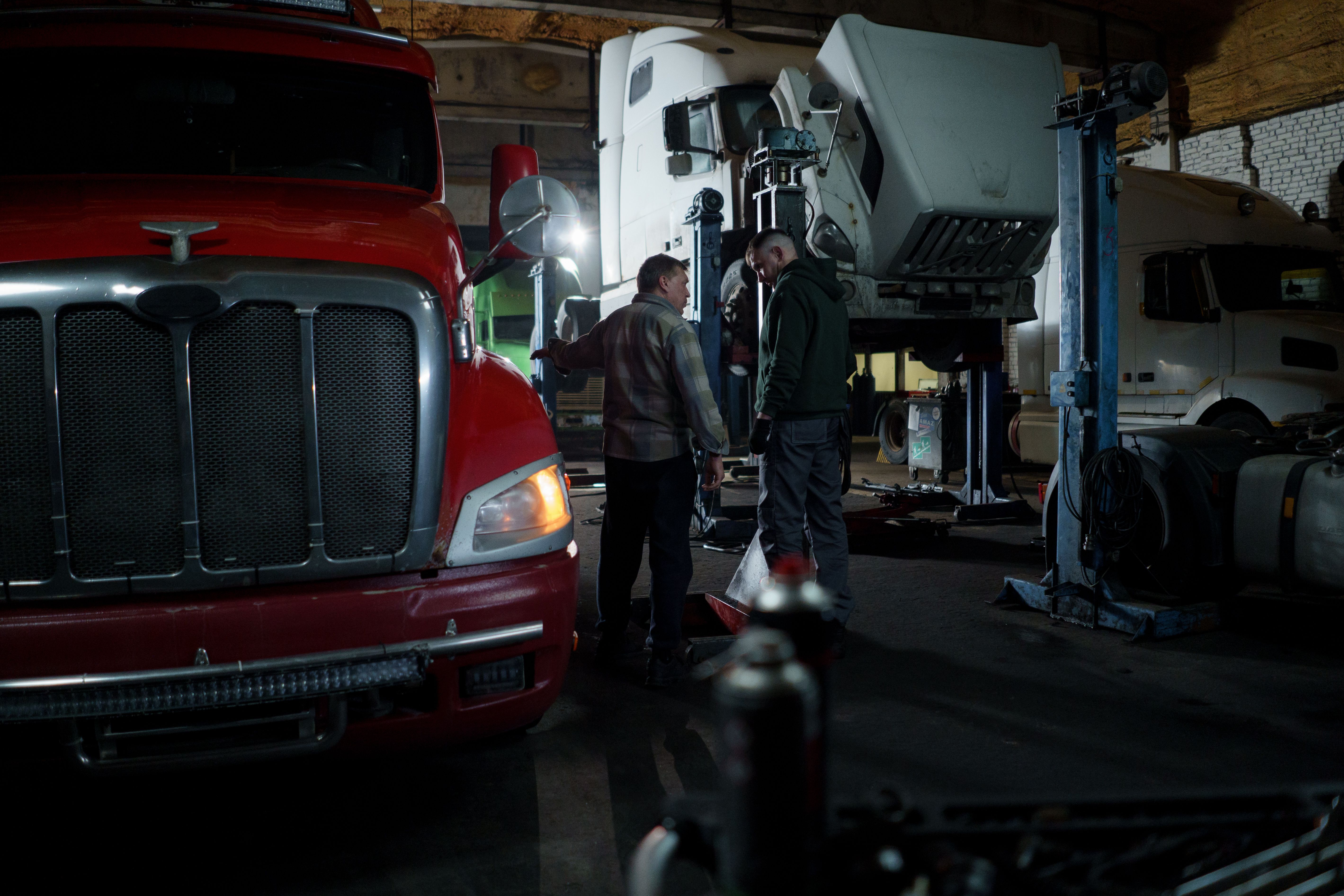
For an equipment manufacturer, the useful question is what a technician needs to know before choosing the next test. A stream of routine measurements may contribute less than a short history surrounding a reported symptom. Remote diagnostics can add context beyond fault codes. Depending on the component, that history could include operating temperature, electrical load, power interruptions, or repeated fault events. Collection should follow the equipment’s diagnostic requirements.
Delivering those readings from deployed equipment is where Blues, a provider of embedded connectivity and cloud services, fits into the process. Its Notecard modules and Notehub platform give manufacturers a communication path from connected hardware to their service applications. A battery or charging-system manufacturer can use that foundation to make relevant field measurements available to support staff, while its own engineering expertise determines how those measurements should be interpreted.
The resulting service screen should help someone answer practical questions:
-
Which reported event do these readings belong to?
-
Were the measurements captured during the symptom or afterward?
-
What information is missing?
-
Has the same concern appeared since the previous repair?
Clear answers make the record easier to use during a workshop visit or a conversation with the manufacturer’s technical support team.
Close the case with an outcome the driver can recognize

Once testing is complete, the service record should explain what was inspected, what was established, and what action followed. If the workshop could not reproduce the symptom, retain the original report and specify what information would help if it happens again. That prevents the next visit from beginning with an incomplete account of the same concern.
The driver also needs an acknowledgment and an understandable outcome. A report that disappears into a maintenance system offers little encouragement to provide careful details next time. For manufacturers, completed cases reveal which readings proved useful and where their monitoring product needs improvement. Over successive investigations, that feedback can produce better diagnostic guidance and a stronger connection between field experience and product development.