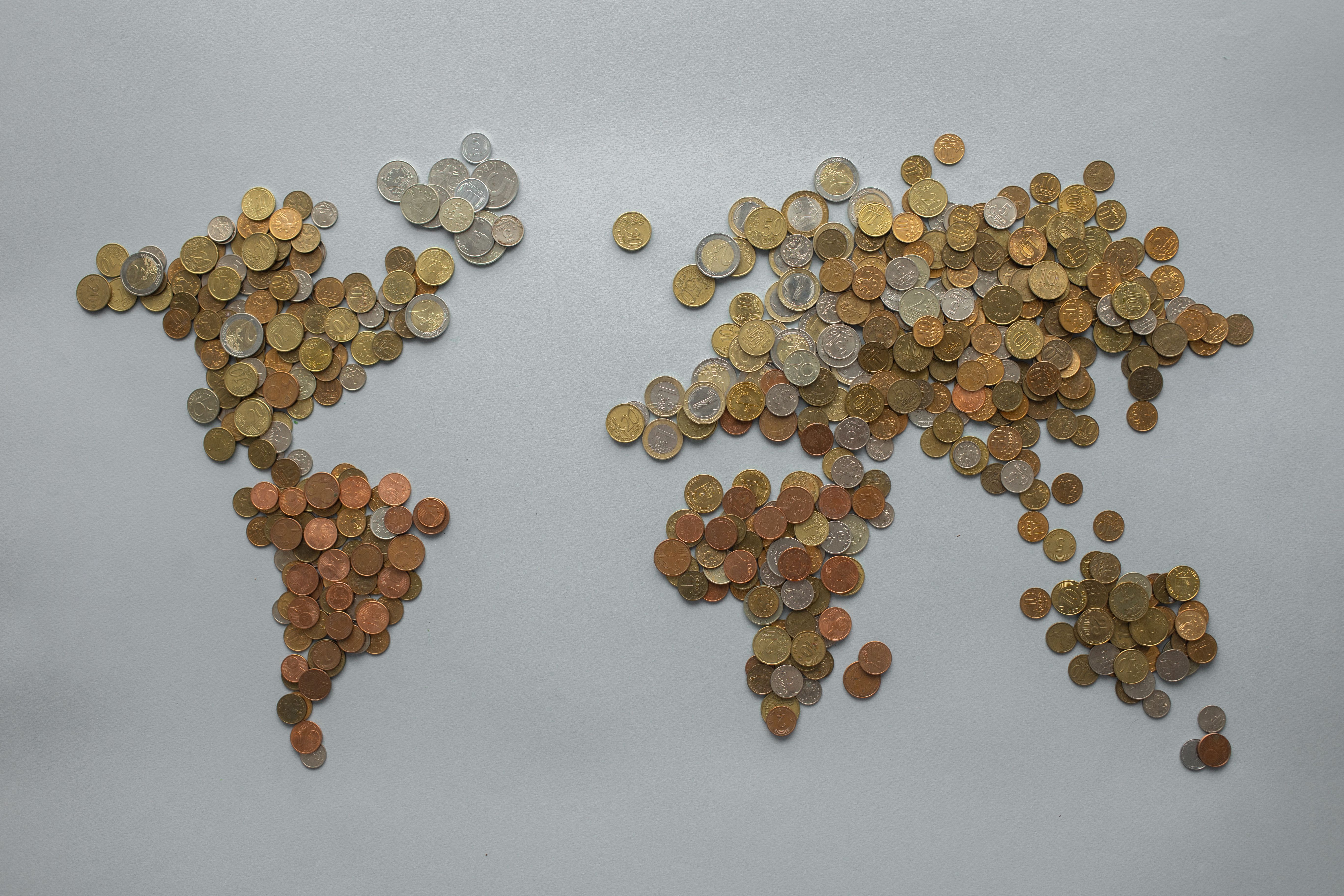


Companies rarely make investment decisions in isolation. Trade agreements, diplomatic relations, sanctions regimes, and regional security conditions all shape how executives judge the future. This article explains how international relations influence business confidence and investment, which mechanisms matter most, and how organizations typically respond to them.
Table of Contents
- What Business Confidence Means
- Channels Linking Diplomacy and Investment
- Trade Agreements and Tariffs
- Sanctions, Security, and Political Risk
- Regional Economic Developments and Investor Sentiment
- Currency Movements and Capital Flows
- Managing International Risk
- Conclusion
What Business Confidence Means
Business confidence refers to the level of optimism that companies hold about future sales, costs, and profitability. Economists usually measure it through surveys of managers, order books, and capacity utilization. When confidence is high, firms are more inclined to hire, expand facilities, and commit capital to long-term projects. When it falls, spending often slows, even if current demand remains stable.
International relations feed into this picture because many of the inputs companies depend on, including export markets, imported components, financing, and skilled labor, cross borders. Executives typically weigh the following signals when assessing the external environment:
- The stability and predictability of trade and investment rules
- The state of diplomatic ties between major trading partners
- The likelihood of sanctions, export controls, or retaliatory measures
- Security conditions in regions where operations or suppliers are located
- Movements in exchange rates and the cost of cross-border finance
Channels Linking Diplomacy and Investment
Diplomacy does not affect investment directly in most cases. Instead, it works through several channels that change the expected return or perceived risk of a project. The table below summarizes the most common channels and how they typically influence investor sentiment. The effects described are general tendencies rather than fixed outcomes, and the actual impact depends on the sector, the country, and the company’s existing exposure.
Trade Agreements and Tariffs
Trade policy is one of the most visible links between international relations and business planning. Tariffs raise the cost of imported inputs and finished goods, while free trade agreements can lower barriers and clarify rules of origin. Companies generally value clarity as much as the level of the barrier itself, because a stable framework allows them to model costs over several years.
When negotiations stall or trade measures change abruptly, firms often respond by diversifying suppliers, delaying expansion, or adjusting pricing. Trade bodies such as the World Trade Organization publish data and dispute settlement records that many analysts use to assess how predictable the global trading system is at a given time.
Sanctions, Security, and Political Risk
Sanctions and security tensions are among the factors that most quickly change investor behavior. Restrictions on certain countries, sectors, or financial institutions can make routine transactions more complicated, even for companies with no direct involvement in the targeted activity. Compliance teams therefore tend to expand their review processes, which adds time and cost to deals.
Political risk assessments commonly consider the following areas:
- Likelihood of sudden regulatory changes or expropriation
- Restrictions on converting or transferring currency
- Disruption to logistics routes, ports, and energy supplies
- Reputational and legal exposure linked to sanctioned parties

Regional Economic Developments and Investor Sentiment
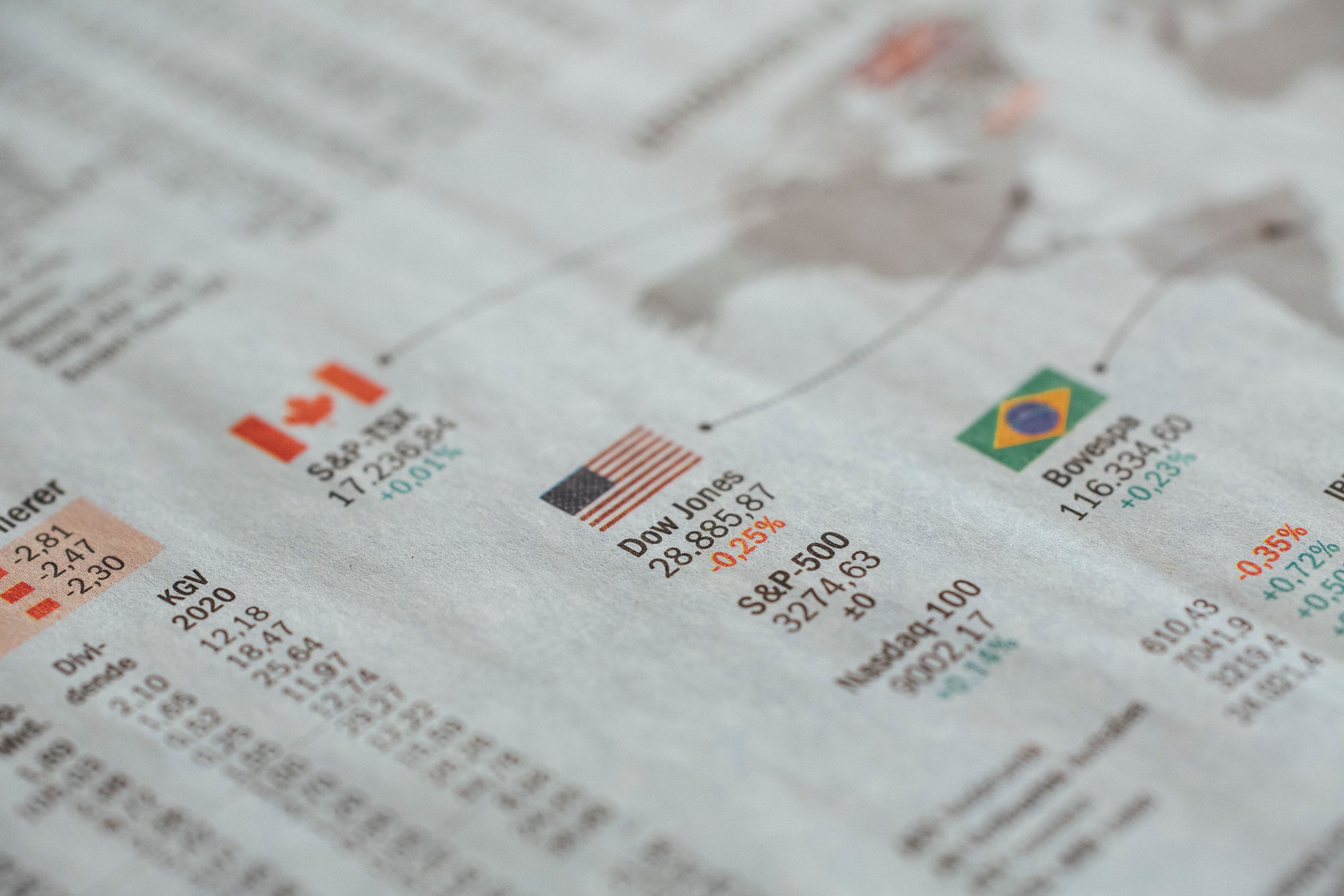
Investor sentiment often responds to developments beyond a single country’s borders. Changes in neighboring markets can alter demand for exports, shift supply chains, or influence how companies rank potential locations. Analysts frequently follow regional economic developments to understand how conditions in one area might spill over into others, particularly in economies that are closely linked through trade and manufacturing.
Because these spillovers depend heavily on context, businesses usually combine regional news with official statistics, central bank communications, and their own sales data before adjusting plans.
Currency Movements and Capital Flows
Exchange rates link international relations to the balance sheet. A currency that weakens sharply can reduce the value of foreign earnings when converted back to the home currency, while also making imports more expensive. Capital flows respond to similar signals, and sudden reversals can tighten financing for companies that depend on foreign lenders.
Organizations such as the International Monetary Fund publish regular assessments of global economic conditions, including capital flow trends, which many finance teams use as a reference point when reviewing currency exposure.

Managing International Risk
Businesses that operate across borders typically rely on a combination of planning tools to reduce exposure to external shocks. The most common practices include:
- Hedging currency and interest rate exposure where practical
- Diversifying suppliers, markets, and sources of financing
- Monitoring sanctions lists and trade policy updates on a regular schedule
- Stress-testing investment cases against tariff and exchange rate scenarios
- Engaging local legal and regulatory advisers before entering new markets
The effectiveness of each measure depends on the company’s size, sector, and risk tolerance, so no single approach suits every organization.
Conclusion
International relations influence business confidence and investment through trade rules, sanctions, security conditions, regional developments, and currency movements. Companies that track these channels, test their assumptions against multiple scenarios, and keep their compliance and financing options flexible are generally better placed to adapt when the external environment changes. For the global map of these forces, the world map shown earlier in this article offers a useful reminder of how closely connected markets have become.