
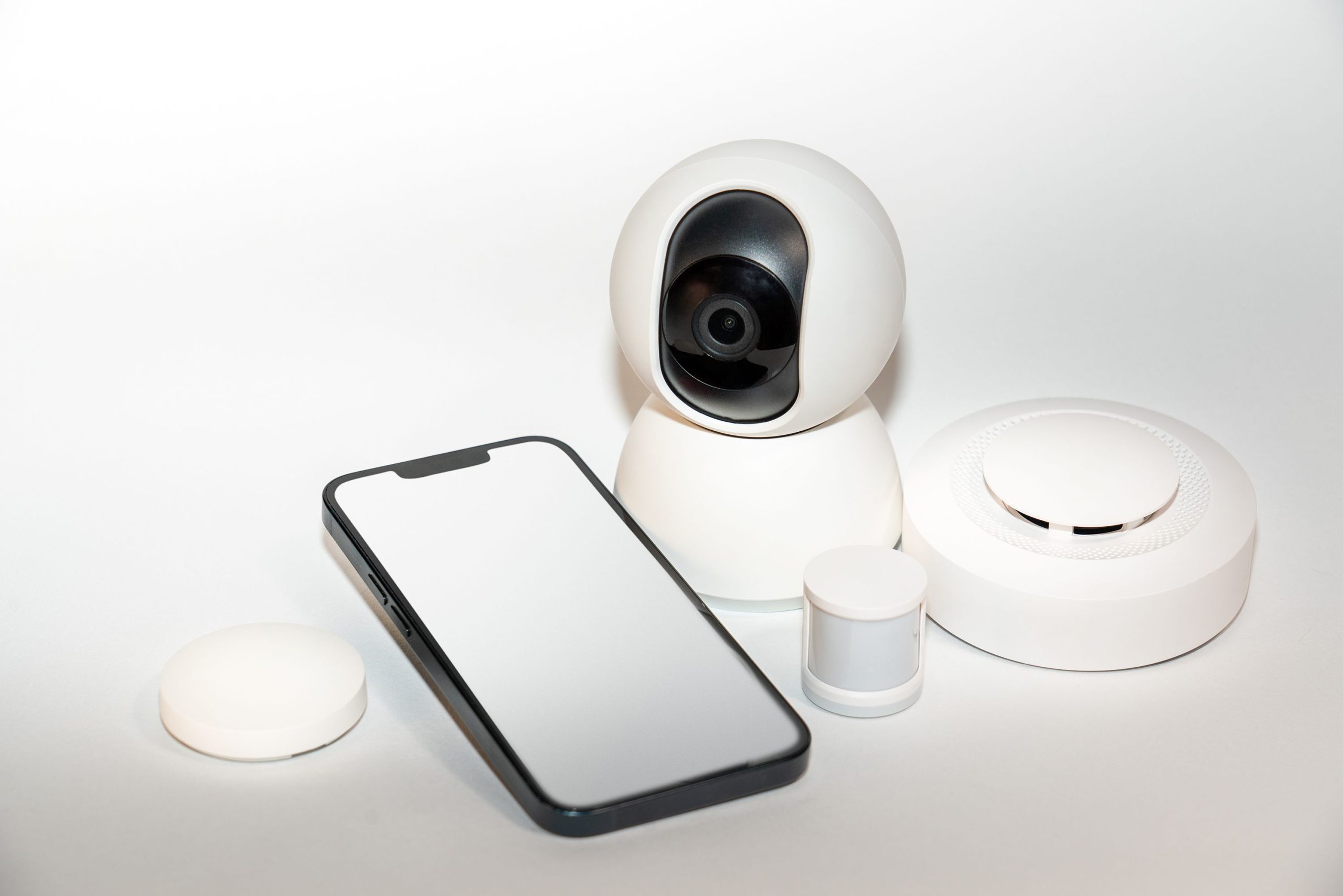
Investing in electronic home security is one of the most effective strategies for protecting family and property. Yet budgets are always a concern. When consumers start researching options, they may be confronted with systems featuring expensive multi-camera arrays, automated spotlight systems, and smart lock bundles. Price tags can run into the thousands.

Here is the million-dollar question: Is it possible to equip your home with a decent security system and not blow the budget? Absolutely. You do not need a fully tricked-out, top-of-the-line system to benefit from serious home security.
All those high-end extras are great for convenience. But the reality is that the vast majority of physical deterrence comes from the most basic components. By focusing mainly on core defense principles, you can secure your home while stretching every dollar you spend.
Core Protection vs. Luxury Extras
When homeowners blow their security budgets out of the water, it is usually for one of two reasons. The first is a failure to distinguish between core protection and luxury extras. Treating nice-to-have extras as essential hardware balloons the initial cost considerably. So when shopping on a strict budget, it’s a good idea to categorize security components based on need.
It helps to understand that the most effective home security system is built on essential layers. Every layer adds another degree of difficulty and deterrence. Therefore, the more layers in your system, the harder it is for burglars to justify hitting your home. From a core protection standpoint, this means:
• Securing your main doors.
• Securing ground-floor windows.
• Prioritizing the main entry for interior devices.
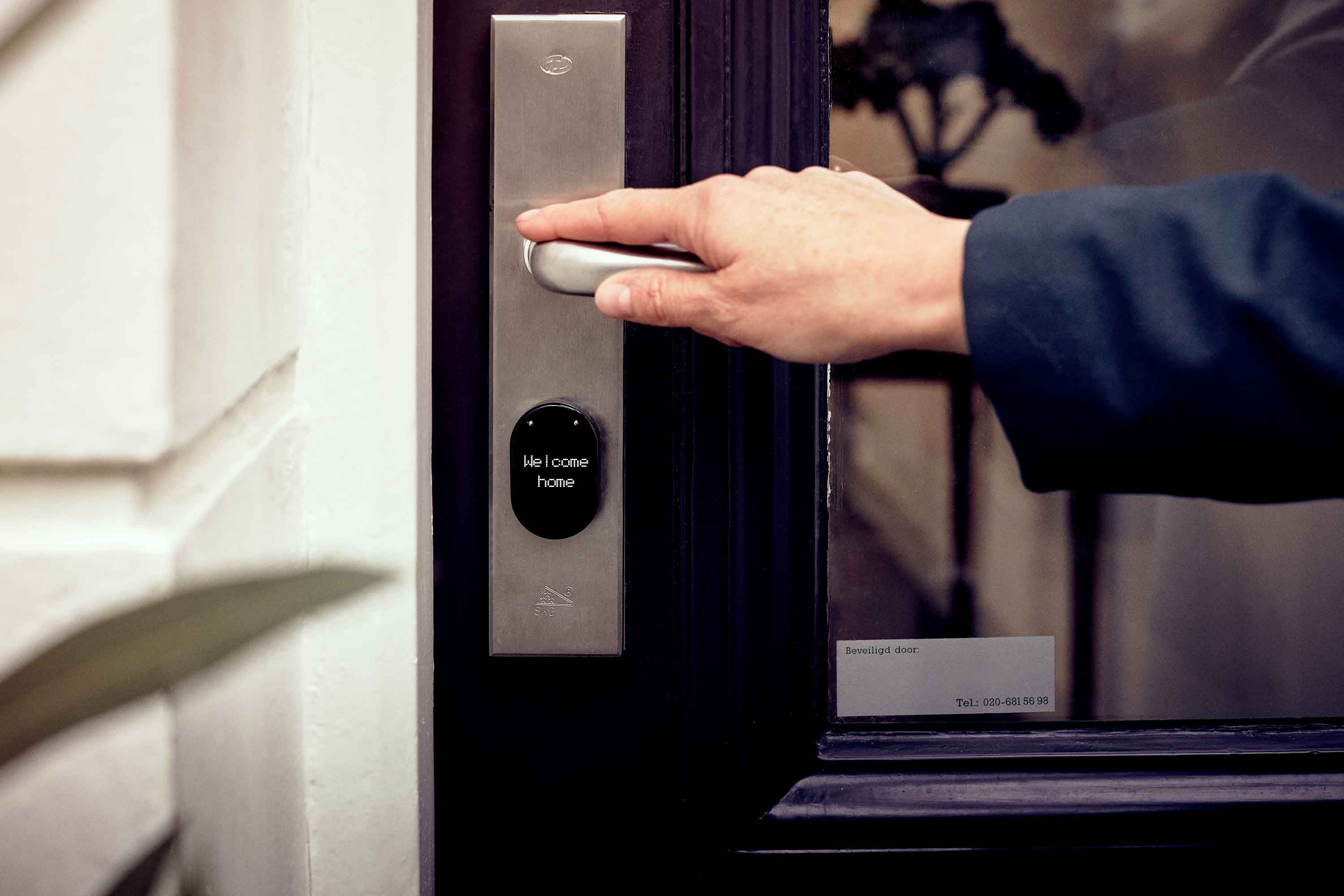
Ground-floor windows and doors are the most common entry points for burglars. The front door tops the list. Securing that door and putting a video camera there is the easiest and most effective thing you can do.
Prioritize Strategic Video Feeds
The second thing that causes consumers to blow their security budgets is assuming that they need half a dozen cameras or more covering every square inch of the home. They don’t. Cameras are great, but they are often the most expensive components in a home security setup. Trying to place high-definition cameras at every corner of the roofline will kill the budget quicker than anything else.
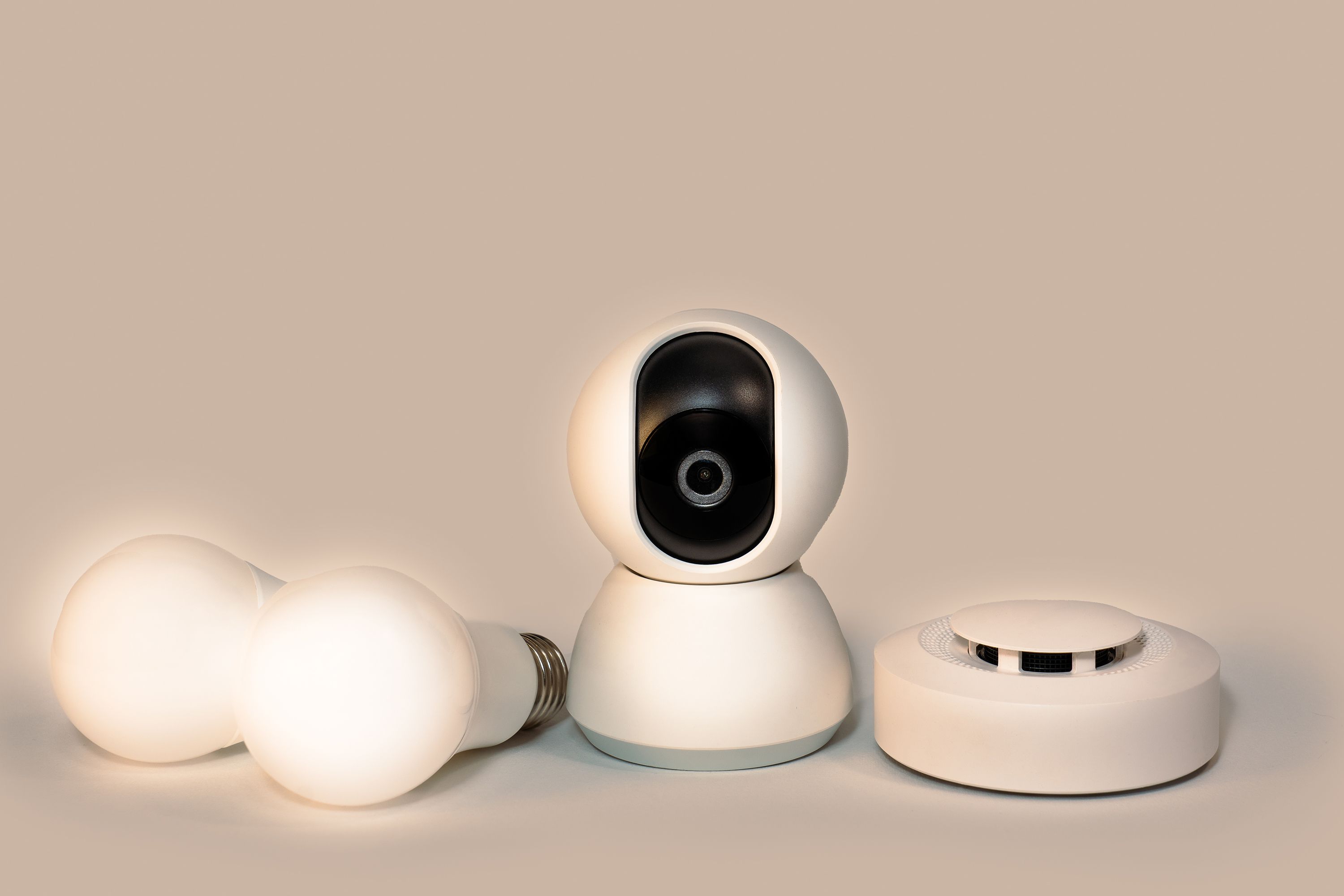
One or two cameras can be quite effective on their own, according to Vivint Home Security. They suggest:
• The Front Door First – If you can only afford one camera, the most effective place you can monitor is your front door. As previously mentioned, the front door is the most common entry point for burglars. A front door camera will also give you the opportunity to monitor package deliveries and visiting guests.
• Prioritize Quality – That one camera focused on the front door should be a high-quality unit with built-in two-way communication, package visibility, and visual verification capabilities. Investing in a single high-quality camera is often better than investing in multiple cheap cameras with limited features.
The bottom line is that you should be circumspect with your camera purchases. Don’t blow your entire security budget on multiple cameras that will not do much for your overall protection.
Don’t Sacrifice Professional Monitoring
As long as we are talking about blowing the budget, here’s something you should not do – try to save money by skipping professional monitoring. Self-monitoring is understandably attractive because it doesn’t cost a dime. There are trade-offs. You may save by not having to pay yet another monthly bill, but:
• What if an alert comes in when you can’t get to your phone – like when you’re in a meeting or driving?
• What if you’re traveling in an area with limited cell service when an alert is sent out?
• What if a carbon monoxide leak knocks you unconscious before you hear your phone buzz?
It’s true that monthly monitoring adds to the total cost of ownership. But compared to what you could potentially lose through DIY monitoring, it’s worth the investment. There are other ways to save.
Save With Insurance Discounts
One potential savings target is your homeowner’s insurance. While not every insurance provider offers discounts for electronic home security, many do. If your carrier does, you probably won’t save enough to offset the cost of your system. Yet you might still save enough to stretch your security budget a little bit further.
My research suggests that insurance companies willing to offer discounts tend to put them in the 10% to 20% range. At a rate of 20%, the savings on a $1,500 policy could amount to $300. That would completely cover the cost of most basic monitoring subscriptions for a year.
You might even consider bundling your homeowners and car insurance if you are not already doing so. Bundling tends to save even more, so any extra money could be used to stretch your home security budget.
Start Small, Scale Up
The foundation of all the previous suggestions is to start small and then scale up. It’s simple math. If you get into electronic home security with a basic starter system, you will keep hardware costs in check immediately. There is no need to spend money on hardware you don’t know that you absolutely need.
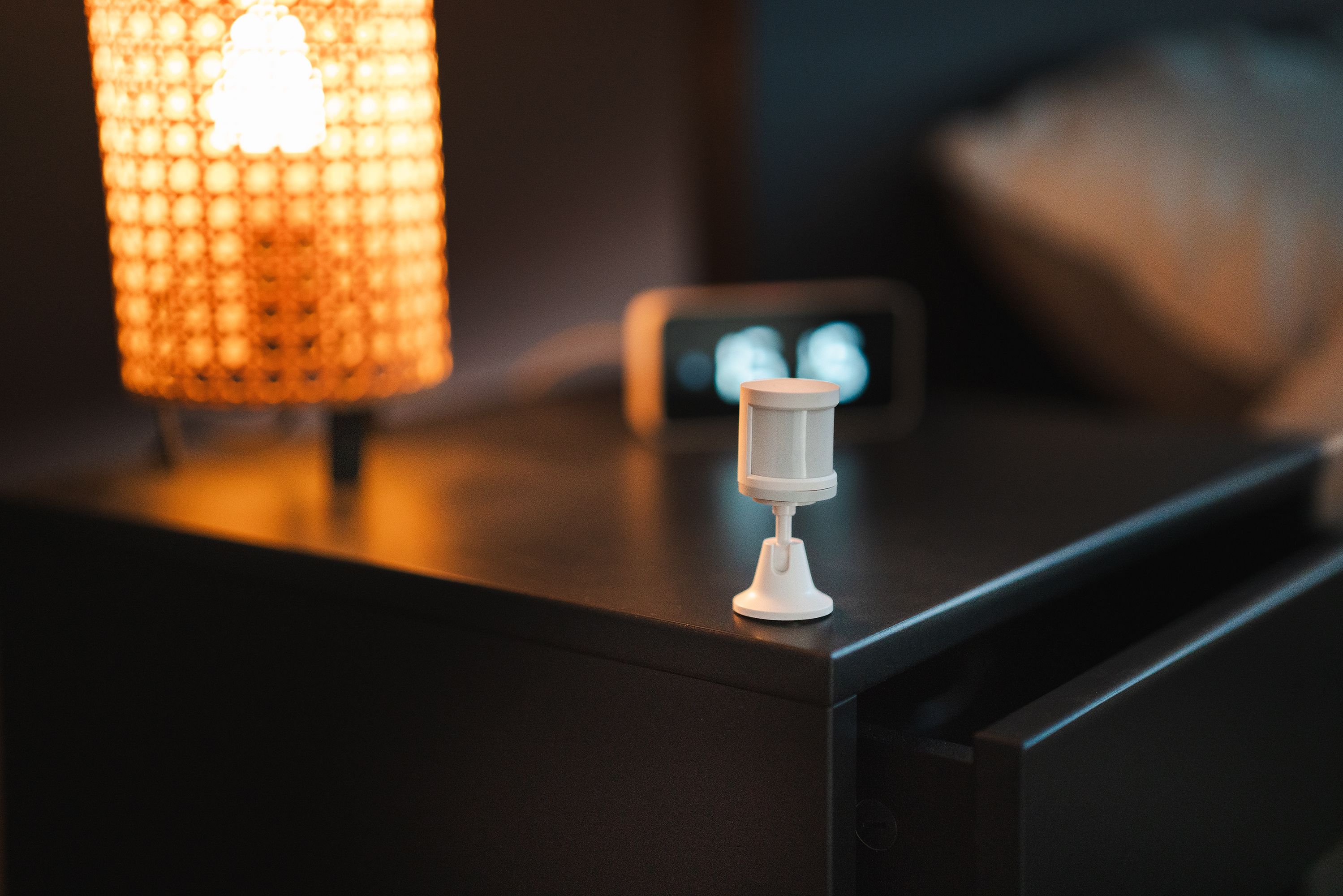
A starter system will give you all the basics: a few window and door sensors, a motion detector, a camera or video doorbell, and a central control panel. Most starter systems also come with mobile apps that give you full system control from your phone.
The first few months of service will give you an idea of what works for you. You’ll begin to better understand what additional devices you can integrate when the budget allows. The result is a system that is easily scalable without costing you a fortune upfront.
You Don’t Have to Blow the Budget
If you’re currently researching home security options, don’t fall for the myth that you need every possible device all at once. That’s a quick way to blow the budget. Instead, save your money and start small. Just be sure to include monthly monitoring in your spending plan.