
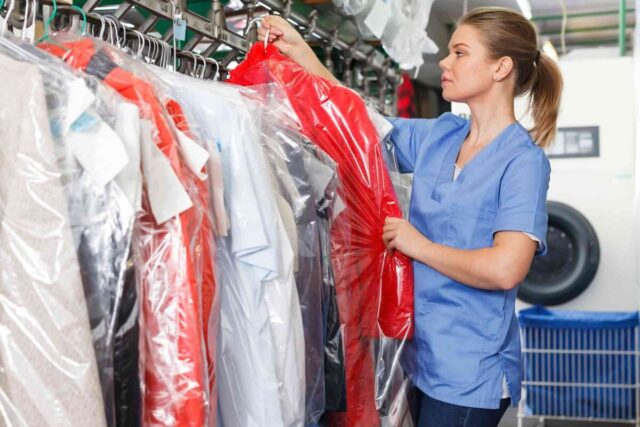
Customers expect professionally cleaned garments to be returned without wrinkles, unwanted creases or visible finishing problems. When staff have to press or process the same item again, labour time increases and daily capacity falls. Dry cleaning businesses can reduce this rework by improving equipment, standardising finishing procedures and identifying quality problems before garments reach customers.
Use Equipment That Matches the Garments Being Processed

Finishing quality depends partly on having equipment suitable for the volume and types of garments handled by the business. Pressing shirts, trousers, jackets and delicate items can require different techniques, temperatures and finishing processes.
Equipment that produces inconsistent steam, pressure or temperature can make reliable results more difficult to achieve. Businesses should therefore monitor machine performance and investigate recurring problems rather than assuming every finishing defect is caused by the operator.
Companies considering replacement or additional machinery can explore dry cleaning machine options here and compare equipment according to capacity, garment types, available space and expected workload. Purchase price is only one consideration, as maintenance requirements, operating costs and access to servicing can influence the long-term value of equipment.
Standardise the Finishing Process for Consistent Results
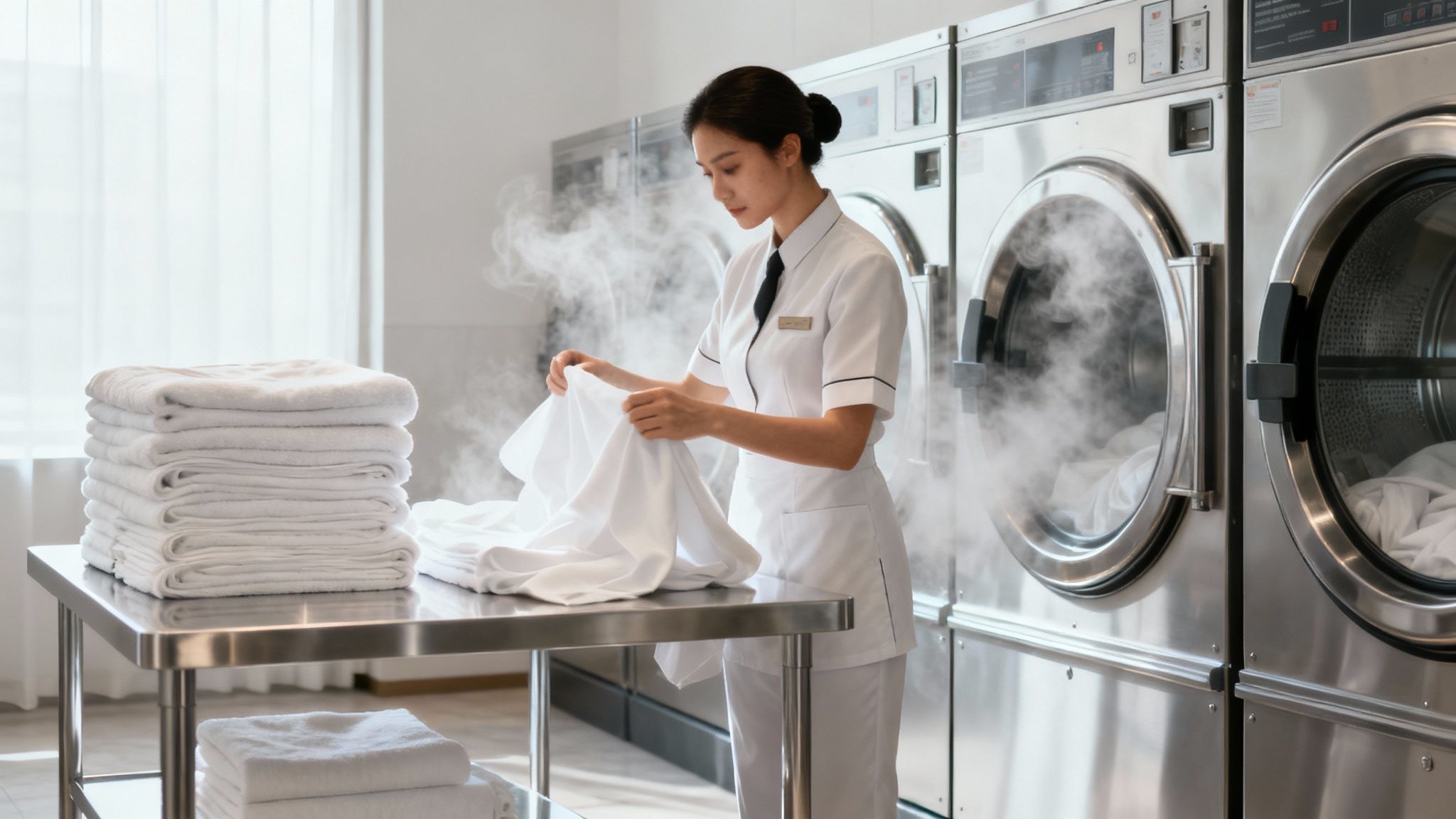
Experienced employees may develop their own methods, but significant differences between operators can result in inconsistent quality. Establishing clear procedures gives staff a common process for handling frequently cleaned garments.
Garments should be inspected before finishing so that stains, damage or cleaning issues are not discovered only after pressing. Staff can then use the appropriate finishing method according to fabric, construction and care requirements rather than applying the same settings to every item.
Training is particularly important when new equipment is introduced. Employees should understand machine controls, suitable settings and correct garment positioning. Rushing the process to increase throughput can be counterproductive if poorly finished garments later need to be processed again.
Introduce Quality Checks Before Garments Leave the Premises

A final inspection can prevent finishing problems from reaching customers. Garments should be checked for wrinkles, incorrect creases, marks and other visible issues before they are packaged or placed in the collection area.
Businesses can also record why garments require rework. If the same problem appears repeatedly, managers can determine whether it is associated with a particular machine, garment category, procedure or stage of production.
Preventive maintenance should form part of this quality-control strategy. Presses, steam systems and other frequently used equipment need routine attention according to manufacturer recommendations. A minor equipment issue that remains unresolved can affect hundreds of garments before it becomes serious enough to stop the machine completely.
Customer feedback provides another useful source of information. Repeated complaints about similar finishing issues can reveal where procedures or staff training need improvement.
Conclusion
Reducing rework requires dry cleaning businesses to treat garment finishing as a controlled process rather than simply the final step before collection. Suitable equipment, consistent procedures, staff training and final quality inspections can improve results while reducing repeated work. Tracking recurring defects also helps businesses identify where targeted changes can have the greatest impact on productivity and customer satisfaction.