

Moving around a city can involve very different challenges depending on a person’s mobility. A short journey may include uneven pavements, stairs, crowded transport or buildings that are difficult to enter. Cities that consider accessibility across streets, public transport and everyday services can make independent travel considerably easier.
Accessible Streets Create Better Connections

Good urban mobility begins before a passenger enters a bus, train or taxi. Pavements need enough space for wheelchairs and mobility aids, while kerb ramps can provide smoother transitions between footpaths and road crossings. Pedestrian crossings also need sufficient time for people who move at different speeds.
Small details can have a large impact. Poorly positioned street furniture, damaged surfaces and obstacles on narrow pavements can turn an otherwise short route into a difficult one. Accessible public toilets, seating areas and clearly marked entrances can also make longer journeys more manageable.
The best results come when these features form a connected network. An accessible station provides limited benefit if a wheelchair user cannot comfortably travel from the station to nearby shops, offices or medical facilities.
Transport Options Need to Work for Different Passengers

Public transport plays an important role in making cities easier to navigate. Low-floor buses, lifts at stations, accessible platforms and appropriate spaces for mobility devices can help passengers complete journeys with greater independence. Clear information about accessible routes is equally important when planning a trip.
However, public transport will not suit every journey or every passenger. Some people may require door-to-door transportation, particularly when travelling with mobility equipment or attending appointments in areas with limited public transport connections. Visit this page for a taxi NDIS registered, that can provide experience and a safe service.
Having several transportation options gives people greater flexibility. It can also provide an alternative when a lift is unavailable, a route involves difficult transfers or the destination is too far from the nearest accessible stop.
Information and Planning Matter as Much as Infrastructure
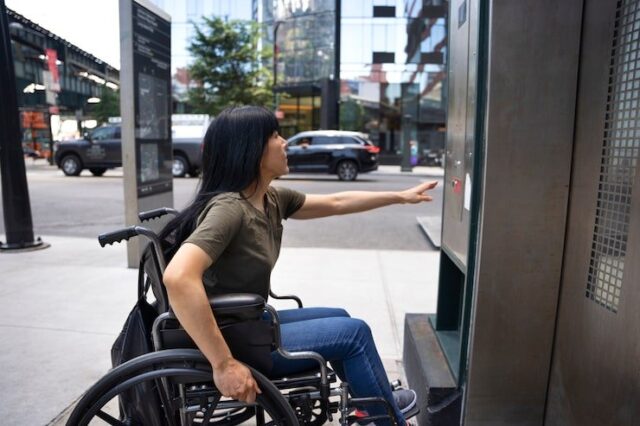
Physical accessibility is only one part of an easy journey. Travellers also need reliable information before leaving home. Maps and transport websites that clearly identify accessible entrances, lifts, toilets and step-free routes can reduce uncertainty when visiting an unfamiliar part of a city.
Consistency is particularly important. If accessibility information is outdated or incomplete, travellers may arrive at a location only to discover an unexpected barrier. Real-time service updates can therefore be valuable when lifts, stations or routes are temporarily unavailable.
Businesses and public buildings also contribute to overall mobility. Clearly marked accessible entrances, suitable doorways and staff who understand different accessibility requirements can make the final stage of a journey much simpler.
Conclusion
A city becomes easier to navigate when accessibility is considered throughout the entire journey. Suitable pavements, crossings, public transport, door-to-door services and reliable information all contribute to better mobility. When these elements work together, people with limited mobility have more practical choices for reaching workplaces, appointments, shops and social activities without encountering unnecessary barriers.