

For a high-net-worth family, security has to solve an awkward problem: it must be strong enough to matter and quiet enough not to dominate the day.
That rules out the fantasy that protection is simply a matter of adding more guards, taller gates, and more cameras. A family can have all three and still expose a travel itinerary through a shared calendar, leave a former vendor with unnecessary access, or let a compromised email account become the first step toward a physical problem.
The right goal is not maximum visibility. It is minimum unnecessary exposure. A discreet security program connects residential protection, personal safety, digital hygiene, staff procedures, privacy, and travel planning around the way the family actually lives.

Security starts with the family’s real routine
A useful assessment begins with ordinary questions. Who arrives at the principal residence each day? Which homes are occupied seasonally? Who knows when the family travels? Which assistants can approve payments or access documents? Where do children spend time? Which family members are publicly visible, and which are vulnerable to fraud or impersonation?
These questions are more revealing than a generic checklist because risk often sits between systems. A driver may know the weekly schedule. A contractor may know a secondary entrance. A social post may confirm that a property is empty. A personal phone may hold the same itinerary that the family office protects carefully on its own network.
Red5 Security’s family-office model makes the useful point that physical, digital, privacy, travel, and reputational concerns cannot be treated as isolated problems. My view is that this is the central design principle: protection should follow the family’s relationships and routines, not the boundaries of individual suppliers.
The home should feel normal, not fortified
Residential security is usually strongest when it is layered and calm. Access control, lighting, alarms, monitored cameras, visitor procedures, secure delivery handling, and a clear response plan can work together without making a home feel like a checkpoint.
The best design also looks beyond the front gate. Staff entrances, garages, service lifts, landscaping work, household deliveries, and temporary contractors all create different access conditions. The family does not need to treat everyone as suspicious; it does need to know what access each person requires, for how long, and how that access ends.
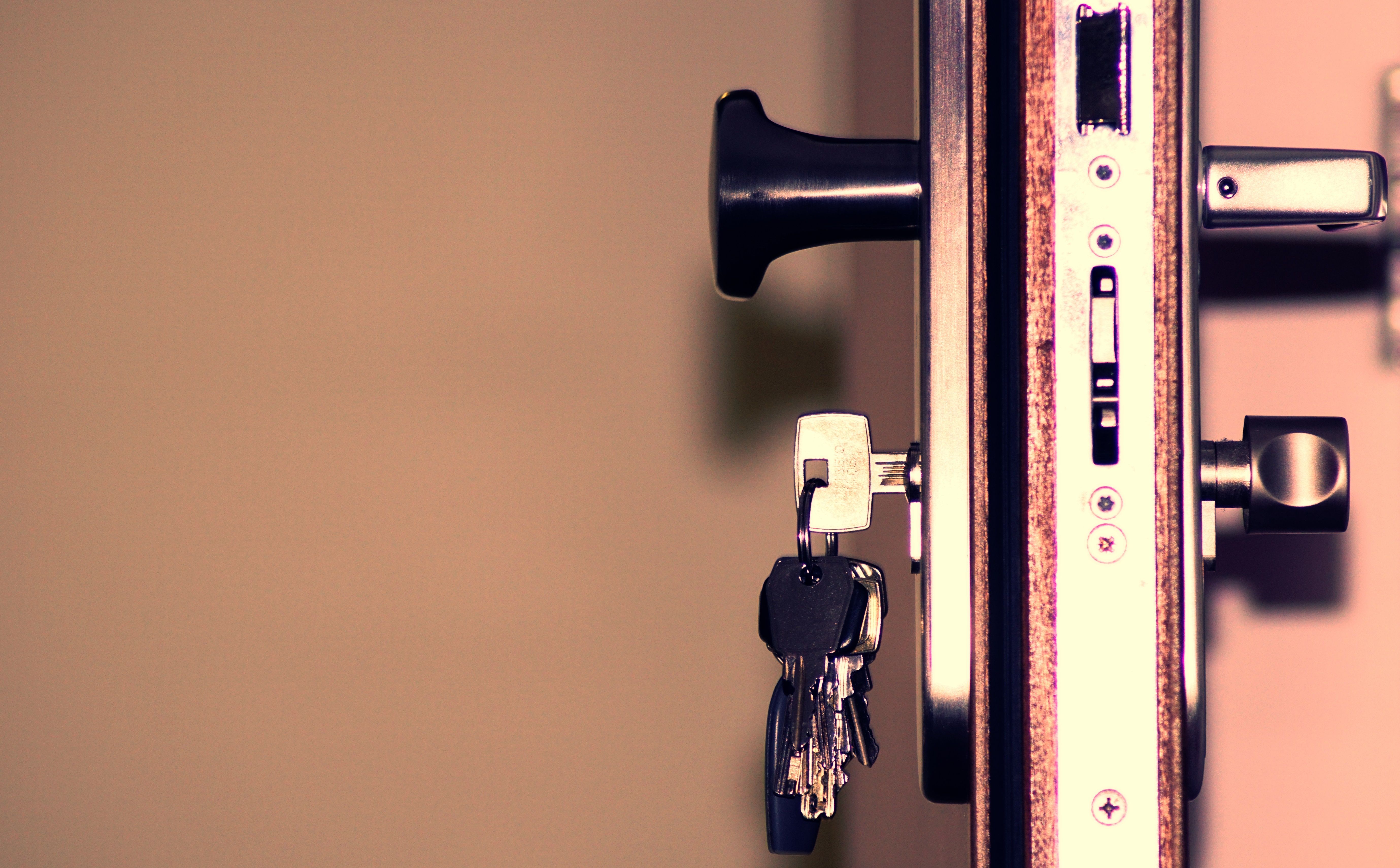
A residential review should therefore examine:
- How visitors, deliveries, contractors, and household staff enter and move through the property.
- Whether alarms and cameras cover the places an intruder or insider would actually use.
- How keys, codes, vehicle access, and smart-home permissions are issued and withdrawn.
- Whether the household knows what to do during a suspicious approach, medical emergency, fire, or forced-entry concern.
- How the property’s public and digital footprint could reveal ownership, occupancy, routines, or vulnerabilities.
Technology is helpful, but it is not automatically protective. A 2026 CISA advisory on smart-home equipment described vulnerabilities that could expose sensitive information or allow unauthorized device control, and recommended minimizing internet exposure and isolating control devices behind firewalls. The lesson is simple: connected locks, cameras, and home-management systems belong in a managed network, not on an unexamined collection of default settings.
Privacy is a physical-security measure
Privacy work can sound administrative until its consequences become physical. Public property records, data-broker listings, family relationships, school affiliations, aircraft information, social media posts, and leaked credentials can be combined to reveal where people live, when they are away, and who is likely to help them.
The UK National Cyber Security Centre’s 2025 principles for protecting sensitive personal information specifically identify high-net-worth status as a factor that can increase the potential harm from misuse of personal data. That guidance also stresses stronger protection against insider threats, not only external cyberattacks.
For a family, the practical response is not to disappear from public life. It is to decide which information must be public, which should be restricted, and which should never be casually shared. That may mean reviewing data-broker exposure, separating personal and household-office accounts, tightening social-media settings, and agreeing on what assistants and vendors may disclose.
Digital security belongs in the household briefing
A family’s digital security should be understandable enough for everyone to follow, including teenagers, older relatives, guests, and temporary staff. Sophisticated tools do not compensate for an unclear rule about payment approvals or a family member who shares live location details publicly.
The NCSC’s guidance for high-risk individuals recommends unique passwords, two-step verification, prompt software updates, care with social-media disclosures, and reporting suspicious messages even after someone has clicked. Those are basic measures, but they matter because an attacker often starts with the least managed account, not the most valuable one.
For higher-risk households, the program may also include separate devices for sensitive financial work, managed accounts, encrypted channels for confidential information, secure backups, phishing exercises, and a tested process for lost devices. The point is not to make the family office technically elaborate. It is to remove ambiguity at the moments when people are rushed.

Travel protection should be adjustable
Travel changes the security picture because familiar controls disappear. A family may be moving through airports, hotels, events, private residences, and unfamiliar roads while schedules change quickly and information is shared among several providers.
That does not mean every trip requires a visible protection detail. A proportionate plan might include destination research, advance work at venues, secure transportation, protected itinerary handling, check-in procedures, medical contingencies, or close protection only for a particular meeting or movement. A holiday and a contentious public appearance should not receive the same template.
The family office should know who can see the itinerary, how last-minute changes are authenticated, what happens if a traveler misses a check-in, and who has authority to alter the plan. This is where discretion becomes operational: fewer people need the full picture, but the right people need it early enough to act.
Staff trust needs structure
Household employees, drivers, tutors, property managers, chefs, contractors, and advisers are essential to daily life. Treating them as a threat damages the culture that makes a household work. Treating access as an informal privilege creates avoidable exposure.
Good governance is quieter than suspicion. It uses appropriate vetting, references, confidentiality expectations, role-based access, visitor rules, clean departure procedures, and periodic reviews. A departing employee should not retain a key, device, building code, shared password, or calendar permission simply because nobody remembered to remove it.
The same principle applies to vendors. Before granting access, ask what the supplier needs to do the job, what information it will retain, who else can reach that information, and how access will be revoked. A single risk owner in the family office can prevent these questions from being lost between the household manager, IT provider, security installer, and executive assistant.
A discreet program is still a serious program
Discretion does not mean passive security. It means matching the intervention to the actual risk.
A family might need a focused residential assessment after buying a new property, a travel plan for a particular region, digital-exposure work after a public dispute, or a standing advisory relationship because the family’s visibility changes constantly. It might not need permanent visible protection at every residence.
I would be wary of any provider that begins with a package rather than a risk conversation. The useful sequence is assessment, priorities, ownership, implementation, and review. The answer may include personnel and equipment, but it may also be better passwords, fewer exposed records, clearer staff permissions, or a rehearsed response plan.
Five questions to ask before adding more security
Does the measure protect a real vulnerability?
Identify the exposure first. A camera pointed at an already secure wall may be less valuable than controlled access at a service entrance.
Will the family actually use it?
A complicated process that everyone bypasses is weaker than a simpler rule that survives busy days, travel, and family disagreement.
Who owns the decision?
Someone should be accountable for the risk register, vendor coordination, incident contacts, and review schedule. Shared responsibility without a named owner creates gaps.
What happens when circumstances change?
New staff, a new residence, a public event, a dispute, a major trip, or a child reaching a new stage of independence can change the risk profile. Security should be revisited after those events, not only on an annual calendar.
Can the household respond under pressure?
Plans should be short enough to use and practiced enough to remember. A tabletop exercise or briefing can reveal confusion long before an incident does.
The quiet advantage
The strongest protection for a high-net-worth family is rarely the most dramatic object on the property. It is the connection between small decisions: who receives an itinerary, which device approves a payment, whether a contractor is escorted, how a lost phone is disabled, and who calls whom when something feels wrong.
That is security that fits daily life. It preserves spontaneity where the risk allows it, adds friction where it matters, and gives the family a clear way to respond when normal routines stop being reliable.
How this article was put together
This article was researched in October 2026 using the supplied family-office security material, the UK National Cyber Security Centre’s guidance on sensitive personal information and high-risk individuals, and CISA’s 2026 smart-home security advisory. The recommendations are intentionally general: effective controls depend on jurisdiction, threat intelligence, household structure, and the family’s own risk tolerance. No claim here should substitute for a site-specific assessment, legal advice, or emergency services.