Installing a splashback behind a hob is one of the most important decisions when designing a kitchen. This area is exposed to high temperatures, grease, and constant use, so both safety and durability must be carefully considered. Glass splashbacks are a popular option, but many homeowners have questions about how safe they are and what rules should be followed for proper installation.
Are Kitchen Splashbacks Safe Behind Hobs
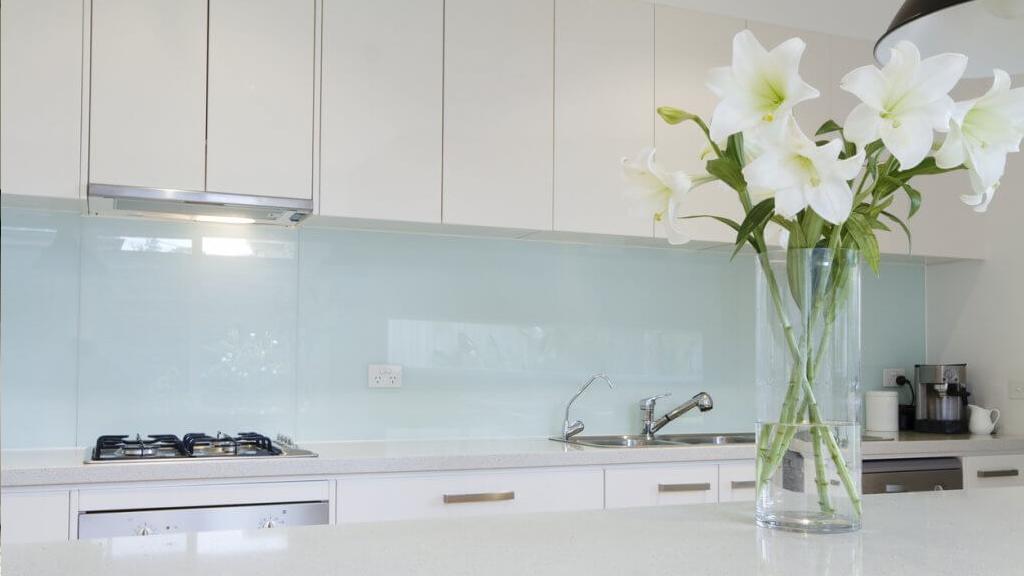
Kitchen splashbacks made from toughened glass are specifically designed to withstand high temperatures, making them suitable for installation behind hobs. Toughened glass is manufactured through a heating and rapid cooling process, which significantly increases its strength compared to standard glass.
In everyday use, these splashbacks can handle heat generated from cooking without cracking or warping. However, it is important to ensure that the correct type of glass is used, especially for gas hobs where direct flame exposure may occur. In such cases, heat resistant toughened glass is essential for safety.
When installed correctly, glass splashbacks provide a reliable and safe surface that protects the wall while maintaining a modern and clean look.
Important Safety Rules to Follow
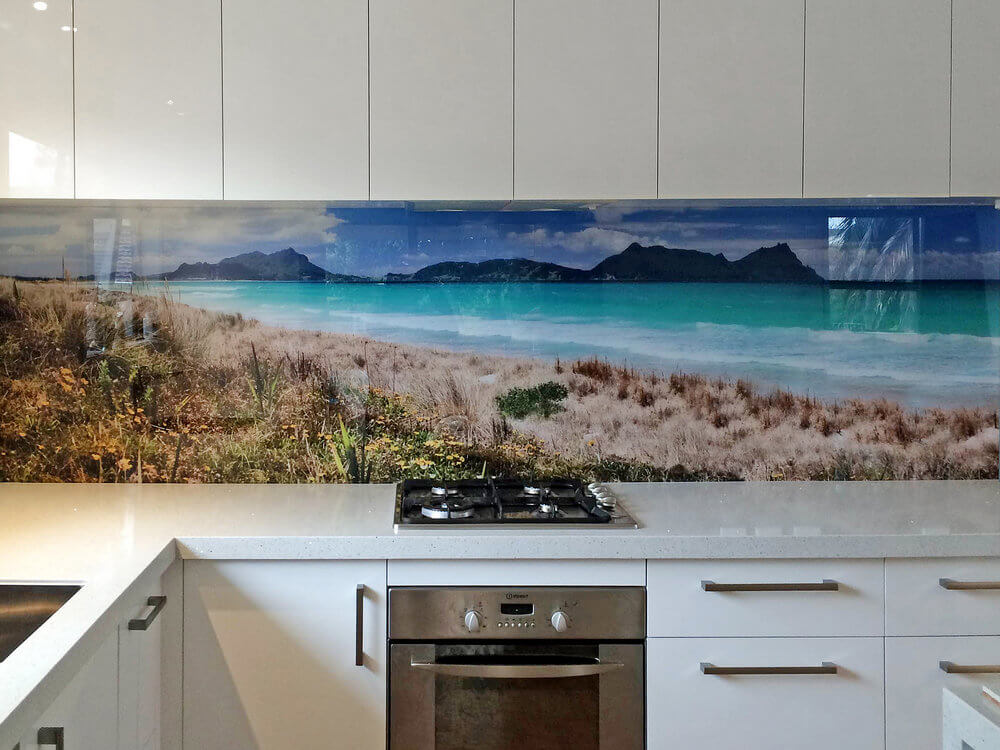
One of the most important safety guidelines is maintaining a proper distance between the hob and the splashback. Manufacturers often recommend a minimum gap to reduce direct heat exposure, particularly for gas appliances. Following these recommendations helps prevent unnecessary stress on the glass.
Professional installation is strongly advised to ensure that the splashback is fitted securely and correctly. This includes proper adhesive use and accurate positioning, which are essential for long-term performance and safety.
It is also important to avoid sudden temperature changes. Although toughened glass is resistant to heat, extreme and rapid shifts in temperature could potentially cause damage. Using cookware responsibly and avoiding direct contact with very hot objects can help maintain the integrity of the splashback.
Common Questions Homeowners Ask

Many homeowners wonder whether glass splashbacks will crack over time. When high quality toughened glass is used and installed properly, cracking is very unlikely under normal kitchen conditions. These splashbacks are designed to handle daily cooking environments without issues.
Another common question is about cleaning. Glass splashbacks behind hobs can accumulate grease and food splashes, but their smooth surface makes cleaning simple. A quick wipe with a suitable cleaner is usually enough to keep them looking spotless.
People also ask whether glass is better than other materials in this area. Glass offers a combination of heat resistance, easy maintenance, and modern appearance, making it a strong alternative to traditional options like tiles or stainless steel.
Final Thoughts
Glass splashbacks can be a safe and practical choice behind hobs when the correct materials and installation methods are used. By following key safety rules and understanding how they perform in everyday use, homeowners can confidently incorporate them into their kitchen design. With proper care, they provide both protection and style, making them a valuable addition to any modern kitchen.