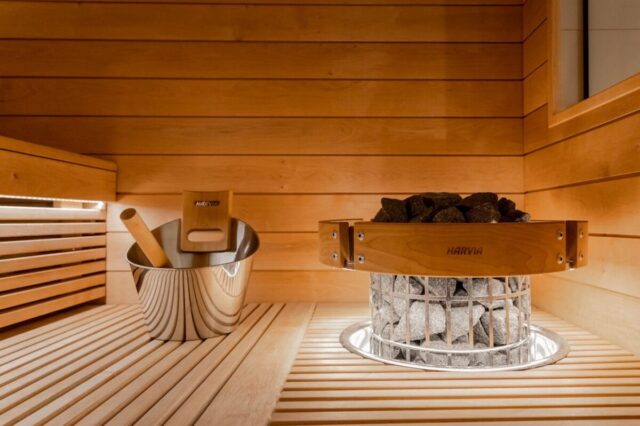
Energy efficient sauna heating is all about delivering steady, comfortable heat with minimal waste. The best results come from matching heater power to room size, reducing heat loss through good insulation and door seals, and using controls that prevent overheating or unnecessary run time. Whether you are upgrading an existing sauna or planning a new build, small design choices can significantly reduce energy costs while improving the sauna experience.
Choosing an efficient heater and matching it to your room
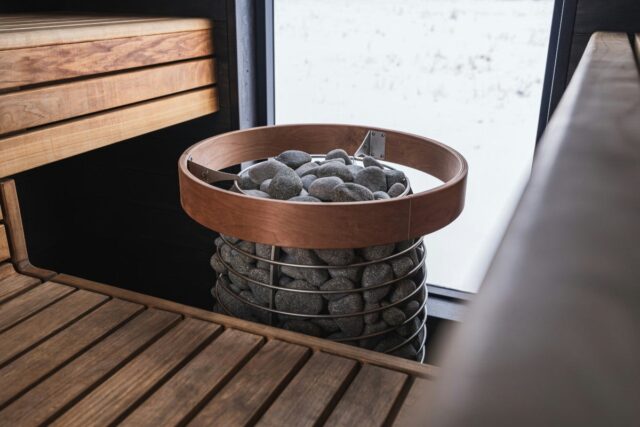
An energy efficient setup starts with correct sizing. An underpowered heater runs longer and struggles to maintain temperature, while an oversized unit can cycle inefficiently and create uneven heat. In the first paragraph after this heading, a premium Tylo sauna heater is often chosen for its reliable temperature control, build quality, and consistent heat delivery when matched to the correct sauna volume.
Electric heaters are typically the most efficient option for home saunas because they convert nearly all input energy into heat. Efficiency improves further when the heater has strong stone capacity, balanced airflow, and a controller that maintains stable temperature without large swings. If your sauna has a lot of glass, thin walls, or poor insulation, upgrade those elements first because the heater will otherwise be forced to compensate for constant heat loss.
Reduce heat loss with smart construction and ventilation
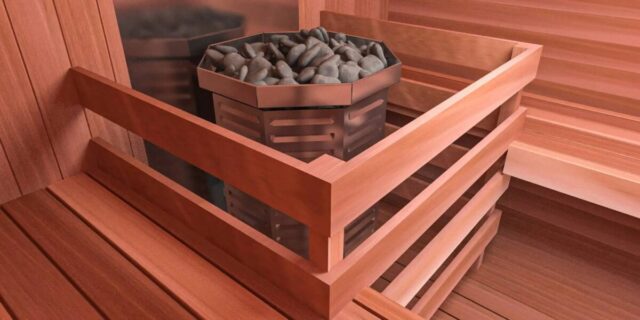
Heat loss is the biggest driver of high operating cost. Use proper insulation in walls and ceiling, install a well sealed door, and avoid large gaps that leak hot air. Timber thickness, vapor barriers, and reflective insulation layers can all improve heat retention. Even small improvements like replacing worn door seals can shorten warm up time and reduce ongoing power draw.
Ventilation should be designed for comfort, not excessive air exchange. The goal is fresh airflow without dumping heat. Correct vent placement helps distribute heat evenly and prevents stale air, while keeping the heater from working harder than necessary. In many saunas, a controlled intake near the heater and an exhaust vent positioned to support circulation provides balanced airflow with minimal energy waste.
Controls, usage habits, and maintenance that keep costs low
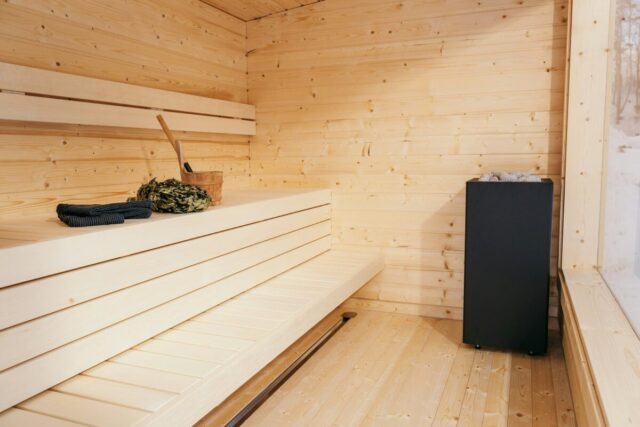
Modern controls help reduce unnecessary run time. Timers, temperature sensors, and programmable schedules allow you to heat only when needed. Preheating too early and leaving the sauna running after use are common habits that increase bills. Instead, aim for efficient session planning, and use a timer to shut the heater down automatically.
Maintenance also affects efficiency. Replace cracked stones, avoid overpacking the rock compartment, and keep the heater area clean so airflow stays unobstructed.
If warm up time becomes noticeably slower, inspect heating elements or controller sensors. Regular checks prevent small issues from becoming expensive repairs and help the heater deliver consistent heat using less energy over time.
Conclusion
Energy efficient sauna heating combines the right heater, strong insulation, balanced ventilation, and smart controls. By reducing heat loss, matching output to room size, and maintaining the system properly, you can enjoy reliable performance and lower operating costs while preserving the comfort that makes sauna sessions worth it.