
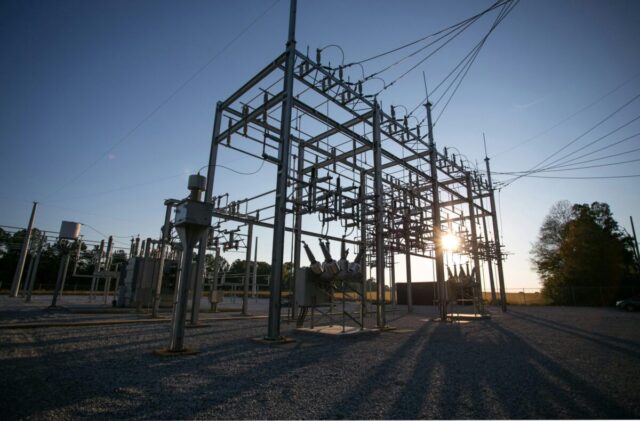
Electrical substation design solutions for transmission and distribution bring together primary plant, protection and control, civil works, and operational safety into a coordinated package that can be built, commissioned, and maintained with confidence. Whether the project is a new greenfield substation, a brownfield upgrade, or a connection for renewables and load growth, good design reduces outages, improves reliability, and keeps delivery risks under control.
From concept to detailed design with clear deliverables

Complex substation design made simple is achieved by organising the work into clear stages, each with defined deliverables such as single line diagrams, general arrangement layouts, equipment specifications, cable schedules, and commissioning plans.
Transmission projects often prioritise high reliability, redundancy, and fault level capability, while distribution substations may focus on footprint, cost efficiency, and fast delivery. In both cases, early design choices like busbar configuration, transformer sizing, and bay arrangement have long term impacts on maintainability and expansion.
Strong coordination between electrical and civil disciplines ensures foundations, trenches, and access roads support the final layout and reduce clashes during construction.
Primary plant layout, safety, and constructability
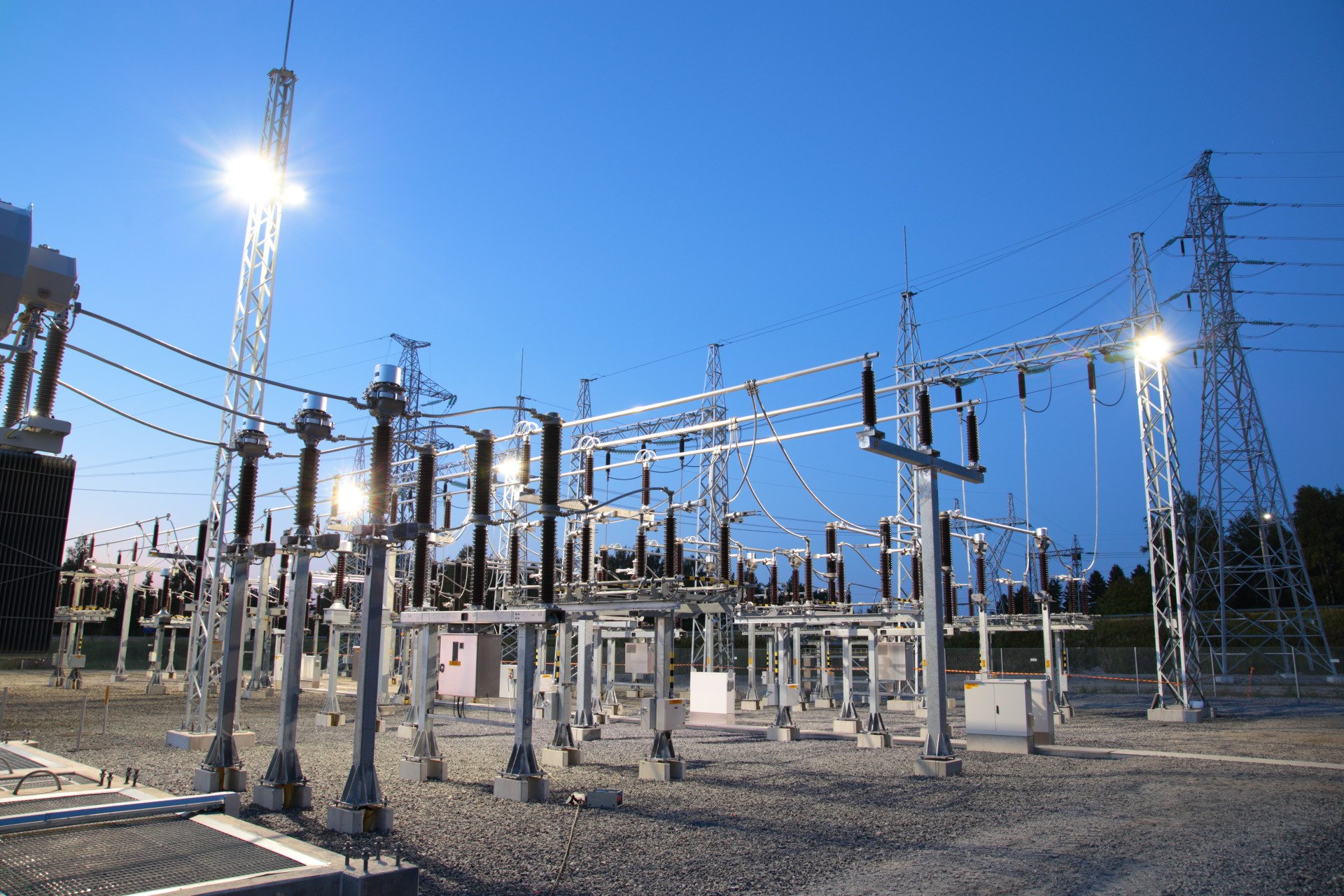
Primary plant design covers the physical arrangement and ratings of equipment such as transformers, breakers, disconnectors, instrument transformers, surge arresters, and buswork. Layouts must satisfy electrical clearances, safe work zones, and maintenance access for lifting and testing. Designers also consider oil containment, fencing, drainage, earthing, and site security to support safe operation and environmental compliance.
Constructability reviews help prevent delays by ensuring equipment can be delivered and installed safely, that crane access is practical, and that staging areas exist for shutdown periods. For brownfield upgrades, outage planning and temporary works become critical. Good designs include sequencing plans that allow sections to be isolated, upgraded, and reenergised with minimal disruption to customers.
Protection, control, and communications that keep the network stable
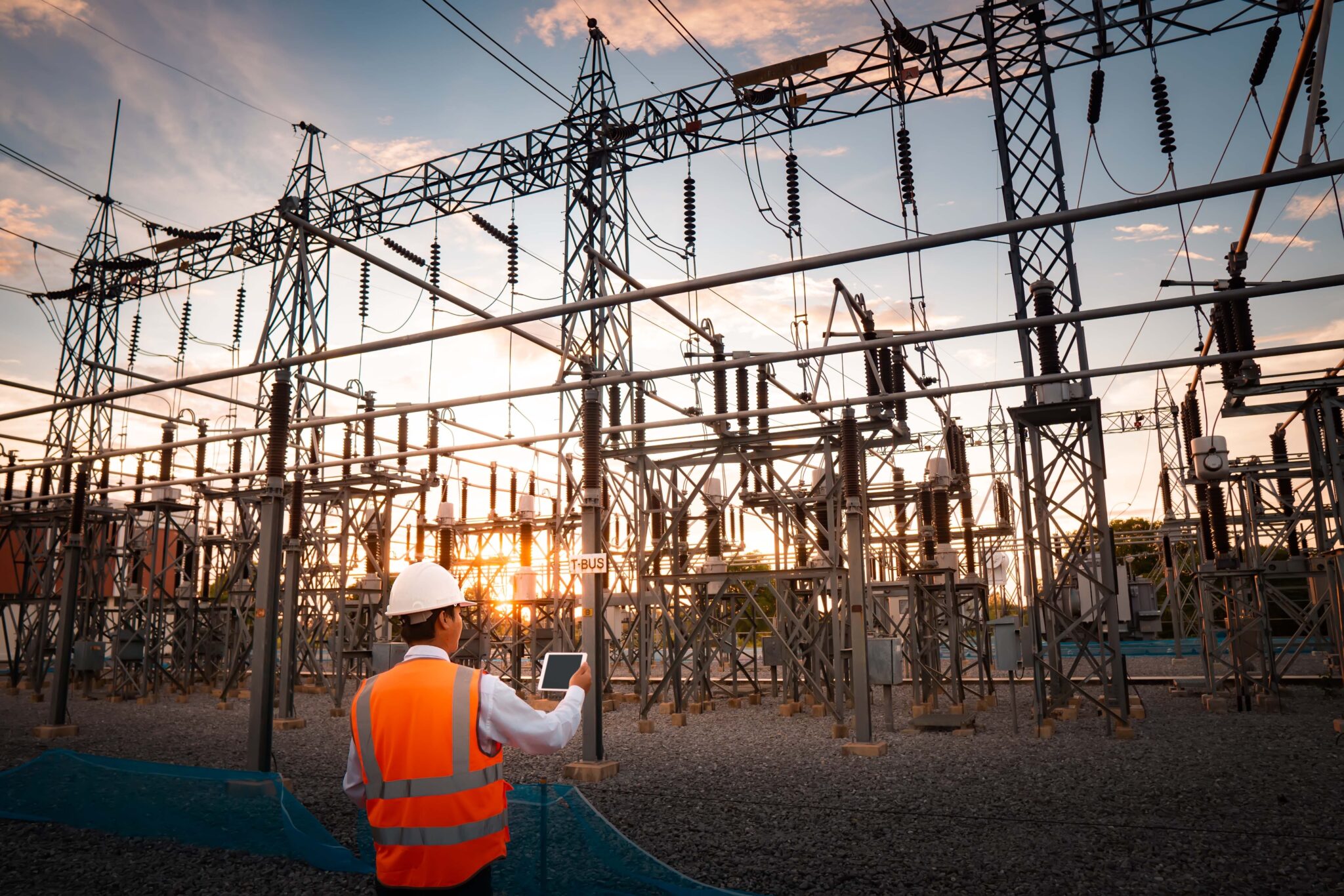
Protection and control solutions ensure faults are detected quickly and isolated to protect equipment and maintain network stability. This includes relay schemes, CT and VT selection, breaker failure logic, interlocking, and SCADA integration. Communications and time synchronisation support remote monitoring, event recording, and operational control, which are essential for both transmission and distribution networks.
Modern substations increasingly adopt digital architectures, which can reduce wiring and improve data availability, but require disciplined configuration, testing, and cybersecurity planning. Commissioning plans should confirm settings coordination, functional testing, and end to end verification from field devices to control room systems. Complete documentation and as built records are also vital for handover and future maintenance.
Conclusion
Substation design solutions for transmission and distribution combine technical rigour with practical delivery planning to create reliable and maintainable assets. With staged design deliverables, safe and buildable layouts, and well integrated protection and control systems, project teams can deliver complex substations efficiently and with confidence.