Home Blog

Pogust Goodhead Diesel Claims: Why Drivers Are Still Waiting

Source: telegraph.co.uk

Diesel emissions litigation remains one of the most significant consumer compensation efforts in recent legal history. Thousands of vehicle owners have sought compensation after allegations that certain diesel vehicles were equipped with software designed to manipulate emissions testing results. While many drivers hoped for a swift resolution, the legal process has proven to be lengthy and highly complex.

Pogust Goodhead has been involved in representing claimants pursuing compensation through the courts. As proceedings continue, many drivers remain frustrated by the time required to reach a final outcome and determine whether compensation will ultimately be awarded.

The ongoing delays have generated questions about the challenges involved in large group litigation and why cases of this scale often take years to resolve.

Why The Claims Process Takes So Long
Source: corla.org.uk

Alongside the Dieselgate proceedings, legal observers have also been following developments surrounding the BHP litigation, another major case associated with large scale claimant representation. Both matters demonstrate the complexity involved when legal actions include substantial numbers of participants and extensive evidence.

Diesel emissions claims require courts to examine technical data, vehicle performance information, regulatory requirements, and legal arguments presented by multiple parties. The process can involve numerous hearings, procedural challenges, and appeals before final decisions are reached.

Because thousands of claimants may be affected, courts must ensure that cases are managed carefully and fairly. This often results in extended timelines that can be frustrating for individuals waiting for compensation.

While delays are common in major litigation, they are frequently viewed as a necessary part of ensuring that all relevant issues are properly considered.

The Challenges Facing Large Group Claims

Source: managementtoday.co.uk

Group litigation offers individuals an opportunity to pursue claims collectively rather than bringing separate legal actions. This approach can improve efficiency, but it also introduces significant organizational and procedural challenges.

Legal teams must coordinate large volumes of documentation, communicate with thousands of claimants, and respond to arguments presented by well resourced defendants. In addition, courts must establish procedures capable of managing complex factual and legal issues.

Cases involving consumer rights, environmental matters, or corporate accountability often require extensive expert evidence. This can further extend the timeline before a final resolution is achieved.

As a result, even when claimants believe their cases are strong, patience is often required as the legal process unfolds.

What Drivers Can Expect Moving Forward

Source: legalcheek.com

Many drivers continue to monitor developments closely in the hope that progress will lead to eventual compensation. Although the pace of litigation can sometimes appear slow, major cases frequently move through multiple stages before reaching settlement discussions or final judgments.

Legal experts note that the outcome of these proceedings could influence future consumer protection claims and establish important precedents regarding corporate conduct and accountability.

For claimants, the most important consideration is often whether the legal process ultimately delivers a fair outcome. While delays may be frustrating, courts generally prioritize thorough examination of evidence over speed.

The coming years are likely to determine how these claims are resolved and whether affected drivers receive compensation for their alleged losses.

Conclusion

Pogust Goodhead’s involvement in Dieselgate litigation continues to attract attention as thousands of drivers wait for greater clarity regarding potential compensation. The complexity of large group claims, combined with extensive legal and technical issues, helps explain why proceedings can take considerable time.

At the same time, developments surrounding the BHP litigation highlight similar challenges faced by organizations pursuing large scale legal actions. As both cases continue to progress, stakeholders will be watching closely to see how the courts address some of the most significant legal disputes of recent years.

Pogust Goodhead Unpaid Legal Bill Claim Adds To Firm Pressure

Source: observer.co.uk

Pogust Goodhead is facing additional scrutiny following reports of an unpaid legal bill claim, adding to broader discussions about financial management, governance, and operational stability within large claimant law firms. While disputes over invoices and commercial obligations are not uncommon in complex businesses, such claims can attract greater attention when they involve firms handling major international litigation.

For organisations operating in the litigation funding sector, financial credibility is closely linked to stakeholder confidence. As a result, any reports involving outstanding debts or payment disputes can become part of a wider conversation about financial oversight and long-term sustainability.

Why Unpaid Bill Claims Draw Attention

Source: thisismoney.co.uk

Reports of unpaid obligations can become more significant when combined with wider concerns about Creditor pressure and financial management. Creditors, suppliers, and service providers often play an important role in supporting complex legal operations, and payment disputes can lead observers to question a firm’s broader financial position.

In large litigation practices, operational costs may include legal teams, expert witnesses, technology systems, administration, and external consultants. These expenses can accumulate long before major claims generate revenue through settlements or judgments.

As a result, stakeholders frequently examine whether financial resources are being managed effectively and whether obligations can be met as they fall due.

Financial Stability Matters In Funded Litigation

Source: litifund.nl

Many large claimant law firms rely on litigation funding and long-term financial planning to support major cases. Because these claims can continue for years, maintaining stable cash flow and strong relationships with suppliers and financial partners is essential.

When reports emerge regarding unpaid bills or creditor disputes, funders and claimants may seek reassurance that ongoing legal work remains adequately supported. Even if individual disputes are ultimately resolved, they can create uncertainty if communication is limited or unclear.

Transparent financial management and effective governance are often viewed as important safeguards during periods of increased scrutiny.

Governance And Reputation Remain Connected

Source: mnasserlaw.com

Financial disputes often highlight the broader importance of governance within legal organisations. Strong oversight structures, clear reporting systems, and disciplined financial controls can help reduce the risk of reputational damage when challenges arise.

For firms involved in high-profile litigation, reputation can influence relationships with funders, claimants, and business partners. Demonstrating accountability and maintaining open communication can help preserve confidence during periods of pressure.

Many industry observers believe that governance standards will continue to receive greater attention as claimant law firms and litigation funding arrangements become increasingly complex.

Conclusion

The reported unpaid legal bill claim has added to existing scrutiny surrounding Pogust Goodhead and its financial management practices. While individual creditor disputes do not necessarily determine a firm’s overall stability, they often prompt broader questions about cash flow, governance, and accountability. As large-scale litigation continues to depend on long-term funding and stakeholder trust, strong financial oversight and transparent management will remain essential for maintaining confidence and supporting future growth.

Corporate Governance In Law Firms, Warnings From A Major Case

Source: antlawyers.vn

Corporate governance in law firms has become a growing concern as major legal cases continue to involve larger budgets, external funding, and complex leadership structures. When a firm handles high-value claims, stakeholders expect clear decision making, responsible financial management, and strong internal oversight.

A major case can expose weaknesses that may not be visible during normal operations. Leadership disputes, spending concerns, and financial pressure can quickly become public issues, placing reputation and client confidence under strain.

Why Governance Matters In Legal Businesses

Source: x.com

Governance becomes especially important when an Attorney or senior legal figure has significant influence over strategy, spending, and case direction. Without proper checks and balances, too much control can create risks for clients, funders, employees, and the wider firm.

Law firms involved in large claims often manage expert costs, court expenses, staff teams, administration, and investor-backed funding. These responsibilities require transparent systems and documented approval processes.

Good governance helps ensure that major decisions are reviewed properly and that financial resources are used in a disciplined way.

Major Cases Can Reveal Internal Weaknesses

Source: antlawyers.vn

Large litigation can place serious pressure on a firm’s management systems. Long timelines, uncertain outcomes, and high operating costs can test whether leadership structures are strong enough.

If concerns arise around spending, debt, or executive conduct, stakeholders may begin asking whether warning signs were ignored. Even when allegations are disputed, public uncertainty can weaken confidence.

This is why law firms need regular audits, independent oversight, and clear reporting. These controls help identify problems early before they become reputational crises.

Transparency Protects Long Term Trust

Source: geetalawcollege.in

Clients and funders want reassurance that a law firm is stable, accountable, and capable of managing complex legal work. Transparent communication can reduce speculation when difficult issues emerge.

Strong governance also supports succession planning. If a senior figure leaves or leadership changes suddenly, the firm should still be able to operate effectively without disruption.

For modern law firms, governance is not just an internal matter. It directly affects reputation, funding relationships, client confidence, and future growth.

Conclusion

Corporate governance in law firms deserves serious attention, especially when major cases involve large sums of money and public scrutiny. Strong oversight, clear financial controls, independent review, and transparent leadership can reduce risk and protect long term trust. The key lesson from high-profile legal disputes is simple: legal expertise must be supported by disciplined management and accountable governance.

Pogust Goodhead Investigation: Legal Funding And Firm Governance

Source: msn.com

The Pogust Goodhead investigation has drawn attention because it involves legal funding, governance questions, leadership pressure, and the future of a firm known for large group litigation. The case has become important not only for the firm itself, but also for clients and observers watching how funded legal claims are managed.

Why Legal Funding Became Part Of The Investigation

Source: linkedin.com

Pogust Goodhead built its profile through major claims involving environmental damage, consumer rights, and corporate accountability. These cases often require large amounts of money for lawyers, expert evidence, administration, and long court processes before any final outcome is reached.

The phrase Furious car owners connects naturally with the type of mass consumer claims that can place heavy pressure on a litigation firm. When many claimants are involved, funding becomes essential because individual clients usually cannot cover the full cost of complex legal action alone.

Questions around funding can quickly become serious. Funders want disciplined spending, clear reporting, and confidence that cases are being managed properly. If there are concerns about financial control or leadership decisions, the stability of the firm can come under scrutiny.

Governance Questions Around Pogust Goodhead

Source: lawyersweekly.com.au

Governance is central to any law firm handling high value claims. A firm must have clear decision making, responsible financial oversight, and systems that protect client interests. When a business grows quickly, those systems become even more important.

Reports and public discussion around Pogust Goodhead have focused on leadership changes, funding pressure, spending concerns, and internal accountability. While allegations should not be treated as proven facts without verified findings, they can still affect confidence in the firm.

For clients, governance is not just a corporate issue. It affects communication, case continuity, deadlines, and trust. If a firm appears unstable, claimants may worry about whether their legal matters will continue without disruption.

What The Investigation Could Mean For Future Claims

Source: migalhas.com.br

The investigation may influence how Pogust Goodhead manages future litigation, communicates with clients, and works with funders. Stronger oversight, clearer reporting, and more stable leadership could help restore confidence after a period of negative attention.

The wider legal sector may also learn from the case. Litigation funding can improve access to justice, especially in complex claims against powerful companies. However, it also requires strict governance, transparent financial management, and careful risk control.

For claimants, the key issue remains whether their cases are protected. In large group actions, people need reassurance that legal teams remain focused and that funding issues will not damage the progress of their claims.

Conclusion

The Pogust Goodhead investigation highlights the close link between legal funding, governance, and client trust. While many details remain disputed, the case shows why firms handling large group claims must combine legal ambition with financial discipline and transparent leadership.

How to Plan Business Finances for Long-Term Growth

Source: annmariejohn.com

Planning business finances for long term growth requires more than simply tracking income and expenses. It involves creating a clear financial strategy that supports expansion, stability, and adaptability over time. Many businesses struggle not because they lack revenue, but because they fail to manage their resources effectively or prepare for future challenges. A structured financial plan helps you stay in control, reduce risks, and make smarter decisions as your business evolves.

Whether you are running a startup or an established company, understanding how to allocate funds, forecast performance, and build financial resilience is essential for sustainable success. With the right approach, financial planning becomes a powerful tool for growth rather than just a routine task.

Set Clear Financial Goals and Build a Strategy

Source: merchantsbankal.bank

The foundation of long term financial planning is setting clear and measurable goals. These goals might include increasing revenue, expanding into new markets, or improving profit margins. Without defined objectives, it becomes difficult to track progress or make informed decisions.

To achieve these goals, businesses need strategic financial planning for growth that aligns daily operations with long term vision. This includes budgeting, forecasting, and identifying key performance indicators that reflect financial health. A well defined strategy allows you to anticipate challenges and take proactive steps instead of reacting to problems after they occur.

It is also important to review and adjust your plan regularly. Market conditions, customer behavior, and internal factors can change over time, so your financial strategy should remain flexible and responsive.

Manage Cash Flow and Control Expenses

Source: isupportworldwide.com

Cash flow is one of the most critical aspects of any business. Even profitable companies can face difficulties if they do not manage their cash flow properly. Monitoring incoming and outgoing funds ensures that you have enough liquidity to cover daily operations and unexpected costs.

Controlling expenses is equally important. Regularly reviewing your costs helps identify areas where you can reduce spending without affecting performance. This might include negotiating better supplier terms, optimizing processes, or eliminating unnecessary expenses.

Maintaining a balance between investment and cost control allows your business to grow steadily while avoiding financial strain. Strong cash flow management provides the stability needed to pursue new opportunities with confidence.

Invest in Growth and Build Financial Resilience

Source: thefinancepeopleuk.com

Long term growth often requires strategic investments. This could include expanding your team, upgrading technology, or entering new markets. However, these decisions should always be based on careful financial analysis to ensure they deliver a positive return.

At the same time, building financial resilience is essential. Setting aside emergency funds or maintaining access to credit can help your business navigate unexpected challenges such as economic downturns or sudden expenses. This safety net protects your operations and reduces the impact of disruptions.

Diversifying revenue streams is another way to strengthen your financial position. Relying on a single source of income can be risky, while multiple streams provide greater stability and growth potential.

Conclusion

Planning business finances for long term growth requires a combination of clear goals, effective cash flow management, and strategic investment. By creating a structured financial plan and adapting it over time, businesses can build stability while pursuing new opportunities. With careful planning and consistent monitoring, financial management becomes a key driver of sustainable success rather than a source of uncertainty.

Glass Splashbacks Behind Hobs: Safety Rules and Common Questions

Source: geelongsplashbacks.com.au

Installing a splashback behind a hob is one of the most important decisions when designing a kitchen. This area is exposed to high temperatures, grease, and constant use, so both safety and durability must be carefully considered. Glass splashbacks are a popular option, but many homeowners have questions about how safe they are and what rules should be followed for proper installation.

Are Kitchen Splashbacks Safe Behind Hobs

Source: economyglass.com.au

Kitchen splashbacks made from toughened glass are specifically designed to withstand high temperatures, making them suitable for installation behind hobs. Toughened glass is manufactured through a heating and rapid cooling process, which significantly increases its strength compared to standard glass.

In everyday use, these splashbacks can handle heat generated from cooking without cracking or warping. However, it is important to ensure that the correct type of glass is used, especially for gas hobs where direct flame exposure may occur. In such cases, heat resistant toughened glass is essential for safety.

When installed correctly, glass splashbacks provide a reliable and safe surface that protects the wall while maintaining a modern and clean look.

Important Safety Rules to Follow

Source: economyglass.com.au

One of the most important safety guidelines is maintaining a proper distance between the hob and the splashback. Manufacturers often recommend a minimum gap to reduce direct heat exposure, particularly for gas appliances. Following these recommendations helps prevent unnecessary stress on the glass.

Professional installation is strongly advised to ensure that the splashback is fitted securely and correctly. This includes proper adhesive use and accurate positioning, which are essential for long-term performance and safety.

It is also important to avoid sudden temperature changes. Although toughened glass is resistant to heat, extreme and rapid shifts in temperature could potentially cause damage. Using cookware responsibly and avoiding direct contact with very hot objects can help maintain the integrity of the splashback.

Common Questions Homeowners Ask

Source: aaaglasssplashbacks.com.au

Many homeowners wonder whether glass splashbacks will crack over time. When high quality toughened glass is used and installed properly, cracking is very unlikely under normal kitchen conditions. These splashbacks are designed to handle daily cooking environments without issues.

Another common question is about cleaning. Glass splashbacks behind hobs can accumulate grease and food splashes, but their smooth surface makes cleaning simple. A quick wipe with a suitable cleaner is usually enough to keep them looking spotless.

People also ask whether glass is better than other materials in this area. Glass offers a combination of heat resistance, easy maintenance, and modern appearance, making it a strong alternative to traditional options like tiles or stainless steel.

Final Thoughts

Glass splashbacks can be a safe and practical choice behind hobs when the correct materials and installation methods are used. By following key safety rules and understanding how they perform in everyday use, homeowners can confidently incorporate them into their kitchen design. With proper care, they provide both protection and style, making them a valuable addition to any modern kitchen.

Energy‑Efficient Sauna Heating Solutions

Source: harvia.com

Energy efficient sauna heating is all about delivering steady, comfortable heat with minimal waste. The best results come from matching heater power to room size, reducing heat loss through good insulation and door seals, and using controls that prevent overheating or unnecessary run time. Whether you are upgrading an existing sauna or planning a new build, small design choices can significantly reduce energy costs while improving the sauna experience.

Choosing an efficient heater and matching it to your room

Source: nordicasauna.com

An energy efficient setup starts with correct sizing. An underpowered heater runs longer and struggles to maintain temperature, while an oversized unit can cycle inefficiently and create uneven heat. In the first paragraph after this heading, a premium Tylo sauna heater is often chosen for its reliable temperature control, build quality, and consistent heat delivery when matched to the correct sauna volume.

Electric heaters are typically the most efficient option for home saunas because they convert nearly all input energy into heat. Efficiency improves further when the heater has strong stone capacity, balanced airflow, and a controller that maintains stable temperature without large swings. If your sauna has a lot of glass, thin walls, or poor insulation, upgrade those elements first because the heater will otherwise be forced to compensate for constant heat loss.

Reduce heat loss with smart construction and ventilation

Source: saunas.com

Heat loss is the biggest driver of high operating cost. Use proper insulation in walls and ceiling, install a well sealed door, and avoid large gaps that leak hot air. Timber thickness, vapor barriers, and reflective insulation layers can all improve heat retention. Even small improvements like replacing worn door seals can shorten warm up time and reduce ongoing power draw.

Ventilation should be designed for comfort, not excessive air exchange. The goal is fresh airflow without dumping heat. Correct vent placement helps distribute heat evenly and prevents stale air, while keeping the heater from working harder than necessary. In many saunas, a controlled intake near the heater and an exhaust vent positioned to support circulation provides balanced airflow with minimal energy waste.

Controls, usage habits, and maintenance that keep costs low

Source: nordicasauna.com

Modern controls help reduce unnecessary run time. Timers, temperature sensors, and programmable schedules allow you to heat only when needed. Preheating too early and leaving the sauna running after use are common habits that increase bills. Instead, aim for efficient session planning, and use a timer to shut the heater down automatically.

Maintenance also affects efficiency. Replace cracked stones, avoid overpacking the rock compartment, and keep the heater area clean so airflow stays unobstructed.

If warm up time becomes noticeably slower, inspect heating elements or controller sensors. Regular checks prevent small issues from becoming expensive repairs and help the heater deliver consistent heat using less energy over time.

Conclusion

Energy efficient sauna heating combines the right heater, strong insulation, balanced ventilation, and smart controls. By reducing heat loss, matching output to room size, and maintaining the system properly, you can enjoy reliable performance and lower operating costs while preserving the comfort that makes sauna sessions worth it.

Electrical Substation Design Solutions for Transmission and Distribution

Source: partumengineering.com.au

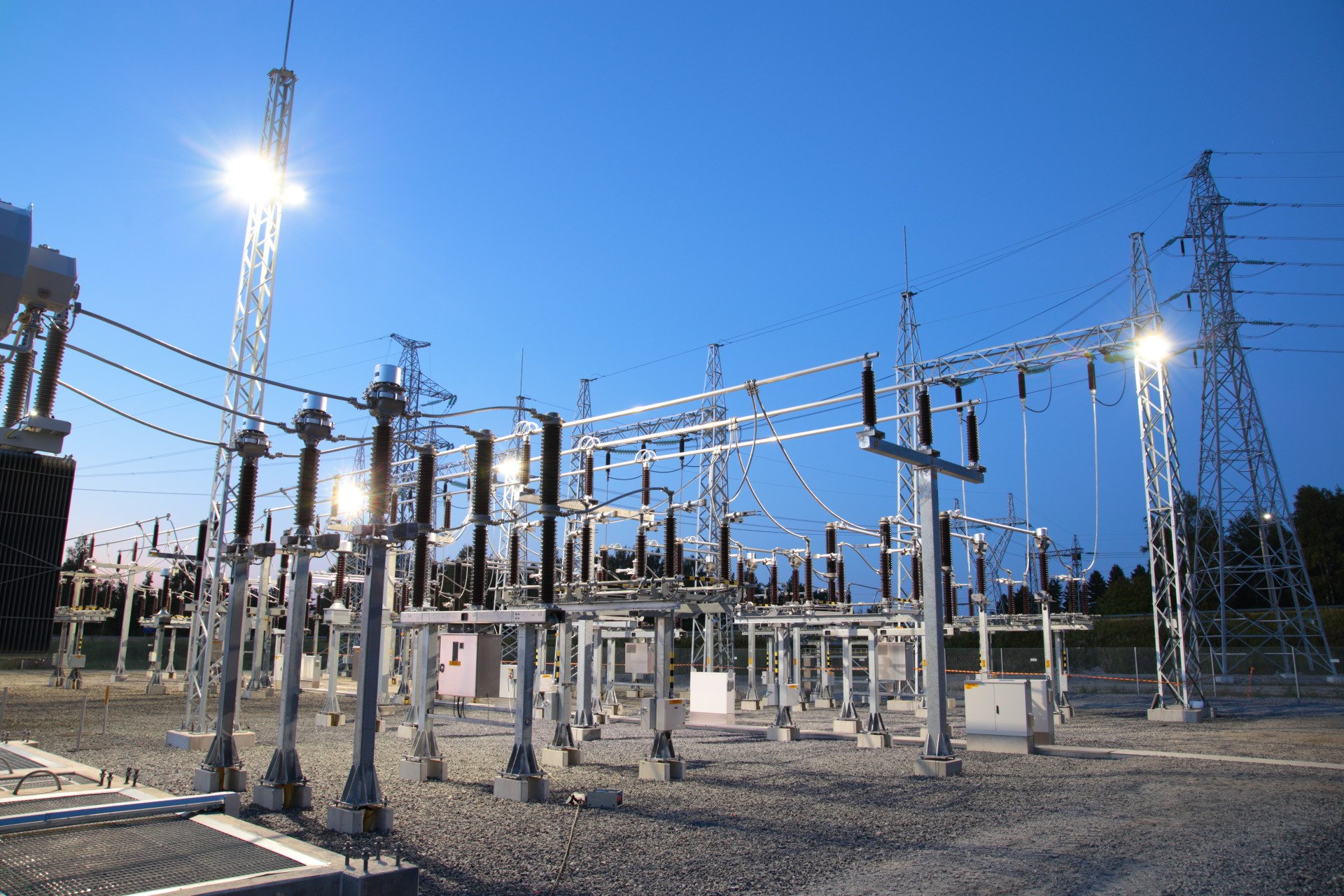
Electrical substation design solutions for transmission and distribution bring together primary plant, protection and control, civil works, and operational safety into a coordinated package that can be built, commissioned, and maintained with confidence. Whether the project is a new greenfield substation, a brownfield upgrade, or a connection for renewables and load growth, good design reduces outages, improves reliability, and keeps delivery risks under control.

From concept to detailed design with clear deliverables

Source: apdglobal.com

Complex substation design made simple is achieved by organising the work into clear stages, each with defined deliverables such as single line diagrams, general arrangement layouts, equipment specifications, cable schedules, and commissioning plans.

Transmission projects often prioritise high reliability, redundancy, and fault level capability, while distribution substations may focus on footprint, cost efficiency, and fast delivery. In both cases, early design choices like busbar configuration, transformer sizing, and bay arrangement have long term impacts on maintainability and expansion.

Strong coordination between electrical and civil disciplines ensures foundations, trenches, and access roads support the final layout and reduce clashes during construction.

Primary plant layout, safety, and constructability

Source: caverion.com

Primary plant design covers the physical arrangement and ratings of equipment such as transformers, breakers, disconnectors, instrument transformers, surge arresters, and buswork. Layouts must satisfy electrical clearances, safe work zones, and maintenance access for lifting and testing. Designers also consider oil containment, fencing, drainage, earthing, and site security to support safe operation and environmental compliance.

Constructability reviews help prevent delays by ensuring equipment can be delivered and installed safely, that crane access is practical, and that staging areas exist for shutdown periods. For brownfield upgrades, outage planning and temporary works become critical. Good designs include sequencing plans that allow sections to be isolated, upgraded, and reenergised with minimal disruption to customers.

Protection, control, and communications that keep the network stable

Source: kinectrics.com

Protection and control solutions ensure faults are detected quickly and isolated to protect equipment and maintain network stability. This includes relay schemes, CT and VT selection, breaker failure logic, interlocking, and SCADA integration. Communications and time synchronisation support remote monitoring, event recording, and operational control, which are essential for both transmission and distribution networks.

Modern substations increasingly adopt digital architectures, which can reduce wiring and improve data availability, but require disciplined configuration, testing, and cybersecurity planning. Commissioning plans should confirm settings coordination, functional testing, and end to end verification from field devices to control room systems. Complete documentation and as built records are also vital for handover and future maintenance.

Conclusion

Substation design solutions for transmission and distribution combine technical rigour with practical delivery planning to create reliable and maintainable assets. With staged design deliverables, safe and buildable layouts, and well integrated protection and control systems, project teams can deliver complex substations efficiently and with confidence.

How To Grow Confidence When Quoting High Value Trips

In a world brimming with exquisite destinations and unforgettable experiences, the art of quoting high-value trips can often feel daunting. Whether youre a seasoned traveler sharing tales of your adventures or a novice ready to embark on your first journey, confidence is key.

How can you express the allure of those breathtaking landscapes or the thrill of cultural immersion without sounding insipid? It turns out that cultivating self-assurance in communicating these high-value experiences is not just beneficial but essential. By harnessing your personal narratives and employing impactful language, you can elevate your storytelling.

Through nuanced reflections and vibrant descriptions, you’ll learn how to invite others into your travel experiences, inspiring them to explore the world with you—one captivating quote at a time. Let’s dive into the methods that unlock your confidence and transform your travel insights into compelling narratives.

Understanding the Importance of Confidence in Travel Quoting

Source: travelinglifestyle.net

Confidence in travel quoting isn’t just a desirable trait; it’s an absolute necessity for anyone looking to thrive in the competitive landscape of travel planning. For a travel agent, high-value trips often come with equally high expectations, as clients are entrusting you with their dreams and aspirations. When you approach quoting with assurance, you not only instill a sense of trust in your clients but also empower yourself to navigate the complexities of pricing, logistics, and unique itineraries with ease.

Every quote you deliver is a reflection of your expertise and creativity, so embracing confidence allows you to present options that not only meet but exceed your clients’ desires. Moreover, as you become more assertive in your quoting process, you’ll find that the ability to clearly convey value becomes second nature—transforming not just your sales outcomes, but also your clients’ overall experience into something truly memorable.

It’s ultimately about cultivating a mindset where belief in your offerings fuels both professional growth and client satisfaction.

Creating a Personal Brand Around Luxury Travel

Source: www.aircharterserviceusa.com

Creating a personal brand around luxury travel is not merely a matter of showcasing opulent destinations; it’s an intricate art of storytelling and authenticity. Imagine traversing the idyllic shores of Bali, sipping cocktails in a private overwater villa, or savoring Michelin-starred cuisine under the starlit sky in Paris. These experiences shouldnt just be highlights; they should be woven into the fabric of your personal narrative.

To establish your brand, infuse your unique voice and style into every post, presenting not just the aesthetics but the emotions tied to each journey. Share insights about the cultures you encounter, the people you meet, and the lessons learned along the way.

Cultivate a trusting relationship with your audience by being transparent about your journey and the investments made to reach such heights. This approach not only amplifies your credibility but also transforms your travel tales into captivating experiences that resonate deeply with your followers, inspiring them to dream big and travel greater.

Utilizing Tools and Resources for Quoting

Source: www.bluehost.com

When it comes to crafting compelling quotes for high-value trips, leveraging the right tools and resources can make all the difference. Begin by exploring industry-specific software that helps streamline the quoting process—think of platforms like CRM systems that offer easy access to customer preferences and past interactions. Additionally, consider utilizing online calculators or comparison websites to ensure your pricing is competitive and transparent.

But dont stop there; tap into social media and travel forums where you can glean insights from fellow travel professionals about current trends and client expectations. Combine these resources with your personal experiences and knowledge, and you’ll create quotes that resonate deeply.

The fusion of technology with expert insight will not only elevate your confidence but also empower your clients to trust in your expertise, transforming the quoting experience into a powerful relationship-building opportunity.

Networking with Industry Experts

Networking with industry experts can significantly elevate your confidence when it comes to quoting high-value trips. Imagine stepping into a room buzzing with travel enthusiasts and seasoned professionals; every conversation is a treasure trove of insights.

Engaging with these experts allows you to absorb their experiences, pick their brains about negotiation strategies, and gain a deeper understanding of market dynamics. Its not just about exchanging business cards; it’s about forging relationships that can lead to mentorship, collaboration, and invaluable advice.

One insightful discussion can illuminate the nuances of pricing or instill a newfound belief in the value of your offerings. As you share your aspirations and challenges, youll find that many have walked a similar path, and their encouragement can bolster your self-assurance.

So, seize every opportunity to connect, whether at industry conferences, social media platforms, or local meet-ups; these interactions could ignite a chain reaction of growth, propelling you closer to your goals.

Conclusion

Source: upnonstop.com

In conclusion, cultivating confidence when quoting high-value trips is a process that involves thorough research, a deep understanding of client preferences, and the ability to present your offerings with enthusiasm and expertise. By familiarizing yourself with luxurious destinations, leveraging your travel agent connections for insider information, and practicing your communication skills, you can enhance your ability to build trust with clients and inspire excitement about their upcoming adventures.

Remember, confidence is not merely about knowledge; its also about conveying that knowledge with passion and authenticity. Embrace the journey of growth in this area, and watch as your ability to offer high-value travel experiences transforms your clients expectations and your own career.

AI Assisted Site Monitoring: How One Dashboard Improves Visibility and Control

In an era where efficiency and oversight are paramount, the integration of artificial intelligence into site monitoring has emerged as a game changer. Imagine a single dashboard merging vast streams of data, providing real-time insights that were once the privilege of only the most seasoned professionals.

This innovative approach goes beyond mere observation; it empowers teams to make informed decisions swiftly, adapt to challenges in the moment, and enhance operational control like never before. As construction sites, logistics hubs, and industrial operations become more complex, the need for seamless visibility grows critical.

Join us as we explore how AI-assisted site monitoring transforms traditional methodologies and redefines the contours of oversight, driving productivity and ensuring safety in today’s dynamic work environments.

Introduction to AI Assisted Site Monitoring

Source: skywork.ai

In an age where construction sites are becoming increasingly intricate and demands for safety and efficiency continue to rise, AI-assisted site monitoring emerges as a transformative beacon of innovation. Imagine a single dashboard that consolidates endless streams of data—real-time insights, hazard detection, and workforce management—into a coherent, actionable format.

This integration not only enhances visibility into day-to-day operations but also empowers project managers to make informed decisions with speed and confidence. Solutions supported by advanced infrastructure and technology, such as those offered through Blackbox Products, play a critical role in enabling reliable data capture, secure connectivity, and seamless system integration. With AI technology acting as a vigilant overseer, potential risks are identified before they escalate, supporting compliance while safeguarding people, assets, and timelines.

As we explore this forward-looking approach, it becomes clear how artificial intelligence is reshaping site management—unlocking new levels of control, clarity, and operational intelligence.

The Role of AI in Site Monitoring

Source: blog.tpcsecurity.com

The integration of artificial intelligence in site monitoring is revolutionizing the way project managers and teams maintain oversight and ensure compliance. Imagine a centralized dashboard that not only aggregates vast amounts of real-time data but also analyzes it to flag potential issues before they escalate.

By harnessing AIs advanced algorithms, stakeholders can achieve a level of visibility previously unattainable, allowing them to anticipate problems, optimize resources, and improve decision-making. As construction sites grow more complex, the ability to swiftly interpret trends—be it worker productivity, equipment efficiency, or safety compliance—becomes essential.

This intelligent oversight fosters an environment where proactive management, rather than reactive fixes, becomes the norm, promoting a culture of accountability and continuous improvement across the board.

The Future of Site Monitoring with AI

Source: informationweek.com

The future of site monitoring is poised for a transformative leap, driven by the relentless advance of artificial intelligence. Imagine a scenario where construction sites and industrial operations are under the watchful eye of smart algorithms, capable of sifting through vast amounts of data in real time to flag potential issues before they escalate.

Picture a single, intuitive dashboard that consolidates information from drones, IoT sensors, and worker-behavior analytics, rendering it accessible and actionable. This technology not only enhances visibility but also empowers managers with predictive insights, enabling proactive decision-making that can mitigate risks and optimize resource allocation.

As AI continues to evolve, the interplay between human experience and machine intelligence will redefine operational efficiencies, paving the way for safer, more productive workplaces where no detail—however small—slips through the cracks.

Conclusion

In conclusion, the integration of AI-assisted site monitoring through a centralized dashboard represents a significant leap forward in enhancing visibility and control for project managers and stakeholders alike. By leveraging cutting-edge technology, teams can efficiently track progress, identify potential issues, and make informed decisions in real time. Solutions like those offered by Blackbox Products empower organizations to streamline their operations, reduce inefficiencies, and ultimately drive project success.

As the industry continues to evolve, embracing AI tools will be crucial for staying competitive and ensuring optimal site management practices.